
Hair Growth Products: What the Research Supports
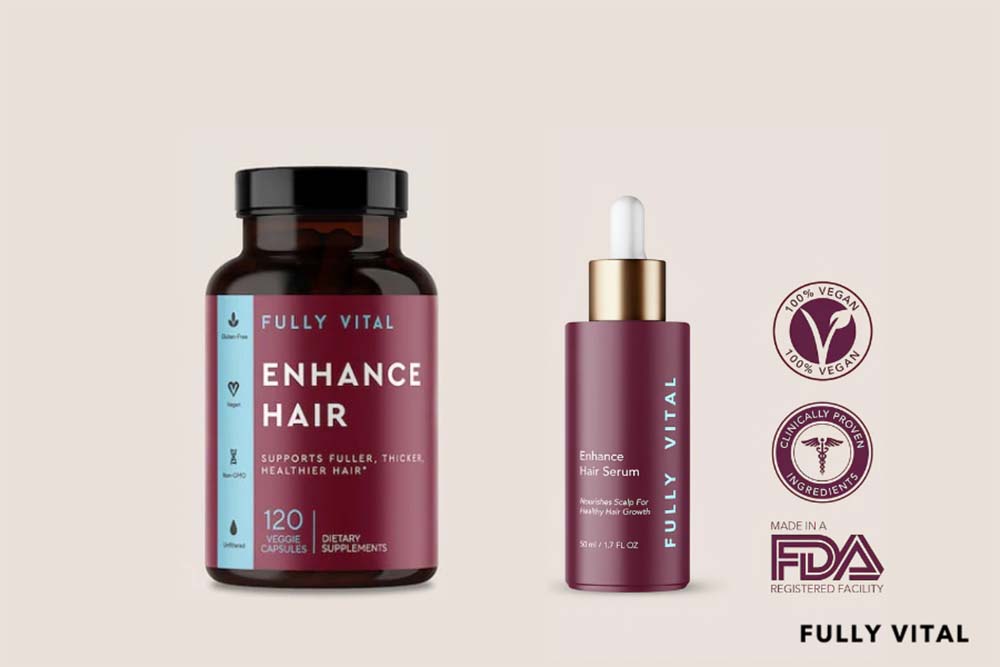
The strongest evidence for hair growth products is for topical minoxidil, which is a drug, and for treatments a doctor prescribes after a diagnosis. For supplements and cosmetic products, the evidence is thinner, though some ingredients have promising trials. A fair answer to "what works" depends on your type of hair loss.
Here's what the research says about the main categories of hair growth products, and what to do before you buy.

I LOVE MY HAIR NOW
FullyVital hair serum and hair vitamins made tremendous improvements in my hair. I truly love my hair now.
Dorit S., 
Key Takeaways
- Patterned hair loss (androgenetic alopecia) is the most common type; first-line treatment is minoxidil, and oral finasteride is another option for men.
- In a 48-week trial of 393 men, 5% topical minoxidil was superior to 2% and placebo for hair regrowth, with more itching and irritation than 2%.
- A systematic review of nutritional supplements for hair loss in people without a known deficiency found several with potential benefit, with rare and mild adverse effects, but called for larger trials.
- The right product depends on the cause of hair loss, which a doctor can identify.
Start With The Cause
Shedding all over (telogen effluvium), patterned thinning, patches and scarring hair loss need different approaches. A product that helps one may do nothing for another. That's why the first step is to find out which you have.

Product Categories
- Medicines such as minoxidil. The best-studied topical treatment, and a decision for you and your doctor.
- Oral supplements. Some have promising trials, but evidence varies by ingredient.
- Shampoos and conditioners. These clean and condition hair. None of the sources here tested a shampoo as a hair growth treatment.


How To Choose
- See a dermatologist for a diagnosis.
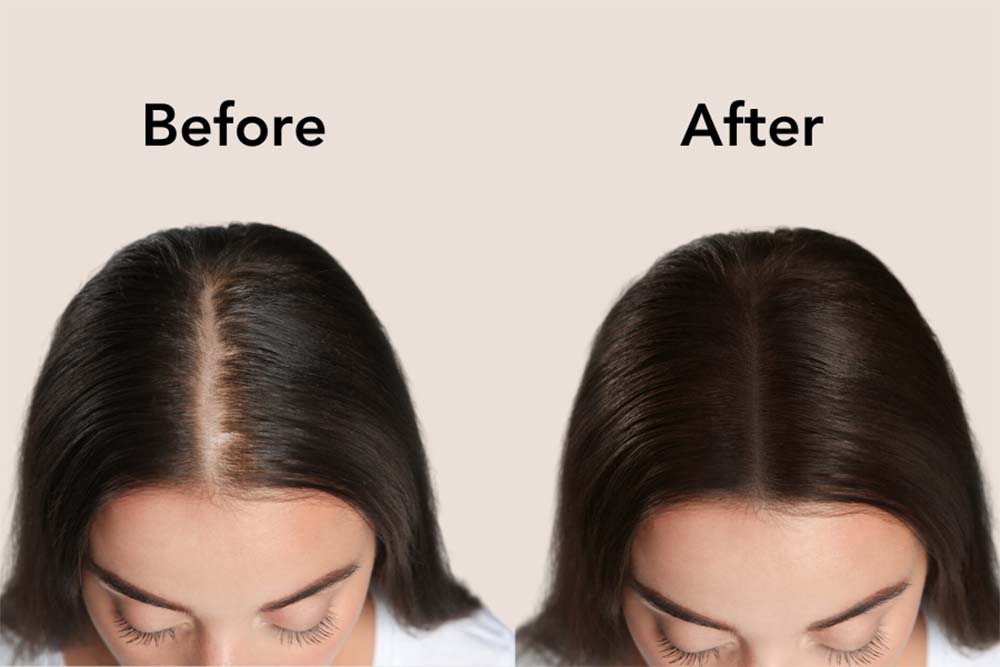
- Look for trials, not before-and-after photos.
- Be patient. Trials measure results over months.
- Check with your doctor if you take medication or are pregnant or breastfeeding.


What The Research Shows
Diagnosis And Treatment
Nonscarring alopecias are categorized as diffuse, patterned or focal. Patterned hair loss, specifically androgenetic alopecia, is the most common and typically genetic; first-line treatment is minoxidil, and oral finasteride is another option for male patients. A comprehensive history, exam and targeted lab testing can identify other causes, such as malnutrition, autoimmune and endocrine disease (Dakkak et al., 2024).
Topical Minoxidil
In a 48-week, double-blind, placebo-controlled trial, 393 men with androgenetic alopecia used 5% minoxidil, 2% minoxidil or placebo twice daily. 5% minoxidil was significantly superior to 2% and placebo for nonvellus hair count and patient and investigator ratings, with 45% more regrowth than 2% at week 48. Itching and local irritation were more common with 5% (Olsen et al., 2002).
Nutritional Supplements
A systematic review of 30 articles on dietary and nutritional interventions in people without a known deficiency found that those with the highest-quality evidence showed potential benefit, including several branded supplements, apple nutraceutical, zinc and pumpkin seed oil. No diet-based intervention studies met its criteria, adverse effects were rare and mild, and it called for larger trials with active comparators (Drake et al., 2023).
See also: Normal Hair Part vs Thinning: How to Tell the Difference · Oyster Extract for Hair: Zinc, Evidence & What to Know
For the bigger picture on what helps with thinning and shedding, see our guide to how to stop hair loss.
For the ingredients with real evidence and how to choose one, see our guide to the best hair growth serums.
If your hair is thinning, see our guide to shampoo for thinning hair.
Frequently Asked Questions
What hair growth products actually work?
The strongest evidence is for topical minoxidil, a drug, in androgenetic alopecia. For supplements the evidence is mixed and ingredient-specific.
Do hair growth supplements work?
A systematic review found some have potential benefit with rare, mild adverse effects, and called for larger trials.
Which hair growth product should I choose?
Start with a diagnosis from a dermatologist.
References
- Dakkak M, Forde KM, Lanney H. Hair Loss: Diagnosis and Treatment. Am Fam Physician. 2024. PubMed
- Olsen EA, Dunlap FE, Funicella T, et al. A randomized clinical trial of 5% topical minoxidil versus 2% topical minoxidil and placebo in the treatment of androgenetic alopecia in men. J Am Acad Dermatol. 2002. PubMed
- Drake L, Reyes-Hadsall S, Martinez J, et al. Evaluation of the Safety and Effectiveness of Nutritional Supplements for Treating Hair Loss: A Systematic Review. JAMA Dermatol. 2023. PubMed
Dive Into The World Of Vitality And Beautiful Locks Now!Experience the transformative power of our Fully Vital hair growth products. Our scientifically backed formulas are designed to halt the aging of your hair in its tracks, boosting its health and your confidence. Forget the frustration of dull, thinning hair, and instead revel in the superb shine and volume our products promise. Start a journey towards healthier, fuller hair today with Fully Vital. We're not just about looking good, we're about making you feel good too. Our power-packed hair growth formulas ensure you enjoy a fantastic, more meaningful, and healthy relationship with your hair. Why wait? Embrace the new era of hair vitality. Gift yourself with the power of youthful, vibrant locks now. Your journey towards a fully vital hair life starts here. Trust us, your hair will thank you! Feel Young, Live Young, Be Fully Vital! |
Read more
Viviscal Vs. Fully Vital: Stimulating Hair Growth
Discover the secrets to lush, age-defying hair with Viviscal vs. Fully Vital. Get the…
Read more
All About Hair Volumizer: A Comprehensive Guide For Gorgeous Locks
Explore the world of hair volumizers – Learn what hair volumizer is and how it can transform your locks. Discover the secrets to achieving fuller, more vibrant hair.
Read more
