
Best Hair Growth Serums: Do They Work, and Which Ingredients to Look For
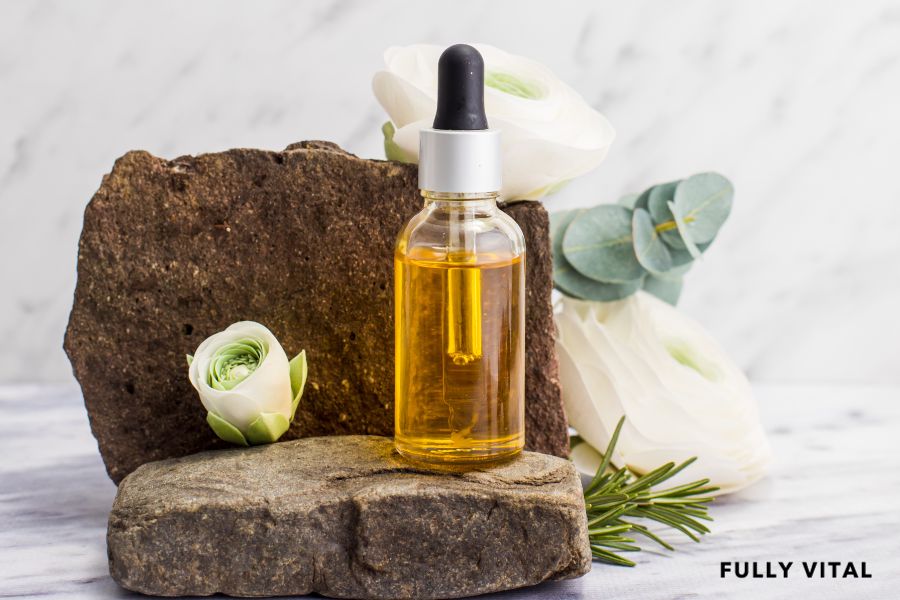
The best hair growth serums are built on ingredients with human trials behind them. Minoxidil is the only one approved as a drug in the US. Among non-drug ingredients, rosemary oil, caffeine and adenosine have the most evidence, with randomized trials in people with pattern hair loss. A good serum goes on the scalp, not the hair, is used daily, and is given at least three to six months before you judge it.
This guide covers whether hair growth serums work, the ingredients with real evidence, how to choose one, how to use it, and how long it takes.
Key fact: A serum can only work on the follicle if it reaches the scalp. Shine and frizz serums for the lengths of your hair are a different product, and they don't affect growth.

The Short Answer
- Look for ingredients tested in people: rosemary oil, caffeine and adenosine have randomized trials; peptides and botanicals mostly have lab or smaller studies.
- Minoxidil is the only FDA-approved topical for hair loss. Other serums are cosmetics and can't claim to treat it.
- Apply to a clean, dry scalp, usually once or twice a day, and keep going: results take months.
- Serums help most with early thinning and shedding. They can't regrow hair where follicles are long gone.
Do Hair Growth Serums Really Work?
Some do, depending on what's in them and why you're losing hair. Serums with tested ingredients have shown modest improvements in hair count or hair thickness in trials of people with pattern hair loss. Many products, though, rely on ingredients with little human evidence, or use too little of them to matter. If your hair loss is sudden, patchy or getting worse fast, find the cause first. How to stop hair loss.
Which Ingredients Have the Best Evidence?
| Ingredient | Human evidence | What it's thought to do |
|---|---|---|
| Minoxidil (drug) | Strongest; FDA-approved | Keeps follicles in the growth phase |
| Rosemary oil | One randomized trial vs. minoxidil 2% | May improve scalp blood flow and reduce DHT's effect |
| Caffeine | Randomized trial vs. minoxidil 5% | Counters testosterone's effect on follicles in lab studies |
| Adenosine | Randomized trials in men and women | Increases the share of thick hairs |
| Peptides (such as acetyl tetrapeptide-3, copper peptides) | Small or industry studies | Support the follicle's environment |
| Saw palmetto, red clover, ginseng | Limited, mixed | Botanicals studied for hormone-related thinning |
For a grade on every ingredient in our own formula, see our evidence-tier breakdown.
What Is the #1 Hair Growth Serum?
There's no single best serum for everyone. Minoxidil has the most evidence but isn't for everyone, since some people get scalp irritation or want a drug-free option. Among drug-free serums, the best choice is one that combines several ingredients with human trials, at a sensible strength, in a formula you'll actually use every day.
How to Choose a Hair Growth Serum
- Check the ingredient list for actives with human evidence, not just "natural extracts".
- Look for a scalp formula: light, fast-absorbing and with a dropper or nozzle that reaches the scalp.
- Avoid big promises. Claims of inches of new hair in weeks, or "clinically proven" with no study named, are red flags.
- Patch-test if you have a sensitive scalp, and stop if it gets red or itchy.
- Plan for three to six months of daily use.
Hair type matters less than you'd think: serums work on the scalp, so they suit straight, curly and coily hair alike. Hair growth serums for Black hair.
How to Use a Hair Growth Serum
- Apply to a clean, dry scalp, parting your hair to reach thinning areas.
- Massage it in gently with your fingertips. Why scalp massage helps.
- Leave it on; don't rinse. Most serums are designed to stay on overnight or all day.
- Be consistent, and take a photo every month in the same light to judge progress.
Some people add microneedling, which in studies improved the results of topical treatments. Microneedling for hair loss.
Which Hair Oil Is Best for Hair Growth?
Rosemary oil has the most human evidence of the hair oils, with one trial showing results similar to minoxidil 2% after six months. Most other oils condition the hair but have little evidence for growth. Rosemary oil for hair growth.

What the Research Shows
A randomized trial (Panahi et al., 2015) compared rosemary oil with minoxidil 2% in 100 people with androgenetic alopecia for six months. Neither group changed significantly at three months. At six months, both had a significant increase in hair count, with no significant difference between them, and scalp itching was more common with minoxidil.
An open-label, randomized, multicenter study (Dhurat et al., 2017) compared a 0.2% caffeine-based topical liquid with minoxidil 5% in 210 men with androgenetic alopecia. After six months, the share of hairs in the growth phase improved by 10.6% with caffeine and 11.7% with minoxidil, and the caffeine liquid was judged not inferior.
A double-blind, randomized study (Watanabe et al., 2015) gave 102 Japanese men with androgenetic alopecia either an adenosine lotion or a niacinamide lotion twice daily for six months. Adenosine was significantly better for overall improvement and for increasing the share of thick hairs, with no adverse events linked to it.
Where Hair Revival Serum Fits
FullyVital's Hair Revival Serum is a nightly, drug-free scalp serum that combines all three of these ingredients, rosemary oil, caffeine and adenosine, with saw palmetto extract, peptides (acetyl tetrapeptide-3 and copper tripeptide-1), red clover extract, ginseng and others. It's designed to support a healthy scalp and fuller-looking hair. The trials above tested each ingredient on its own and at specific strengths, so they don't directly show how a combined formula performs. Pair it with Hair Revival Supplements, or get both in the Hair Revival Kit 30-Day. How to use FullyVital hair serums.
For how minoxidil and finasteride work, their results and side effects, see our guide to minoxidil and finasteride.
Frequently Asked Questions
Which serum promotes hair growth?
Serums with ingredients tested in people, such as rosemary oil, caffeine and adenosine, or minoxidil, which is approved as a drug. Results take three to six months.
What is the #1 hair growth serum?
Minoxidil has the most evidence. Among drug-free options, look for a serum that combines several ingredients with human trials.
Does hair serum really grow hair?
Scalp serums with tested ingredients can modestly improve hair count or thickness in pattern hair loss. Shine and frizz serums for the lengths don't affect growth.
How long does a hair growth serum take to work?
Usually three to six months of daily use. Hair grows about half an inch a month, so changes appear slowly.
Can I use a hair growth serum with minoxidil?
Many people do, but ask your doctor or pharmacist first, and introduce one product at a time so you can spot any irritation.
Scientific References
This guide is grounded in the following published research.
Panahi Y, Taghizadeh M, Marzony ET, et al. "Rosemary oil vs minoxidil 2% for the treatment of androgenetic alopecia: a randomized comparative trial." Skinmed, 2015.
Dhurat R, Chitallia J, May TW, et al. "An Open-Label Randomized Multicenter Study Assessing the Noninferiority of a Caffeine-Based Topical Liquid 0.2% versus Minoxidil 5% Solution in Male Androgenetic Alopecia." Skin Pharmacol Physiol, 2017.
Watanabe Y, Nagashima T, Hanzawa N, et al. "Topical adenosine increases thick hair ratio in Japanese men with androgenetic alopecia." Int J Cosmet Sci, 2015.
Read more
Understanding Vellus Hair: Your Comprehensive Guide
Discover the secrets of vellus hair on our page. Uncover what vellus hair is and its…
Read more
Hair Whorl: What It Is and What Research Shows
What a hair whorl is, which whorl patterns are normal, what research says about genetics, and why there is no evidence that it affects hair growth.
Read more
