
Minoxidil and Finasteride for Hair Loss: How They Work, Results and Side Effects
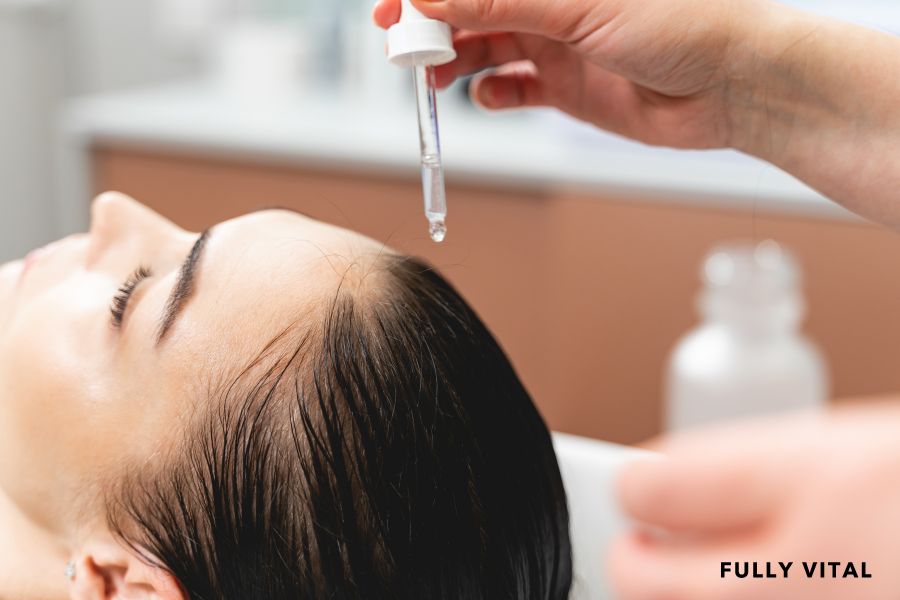
Minoxidil and finasteride are the two best-studied medicines for pattern hair loss. Minoxidil, sold over the counter as a foam or solution, helps follicles stay in their growth phase; low-dose minoxidil tablets are a newer, prescription option. Finasteride is a prescription tablet for men that lowers DHT, the hormone that shrinks follicles. Used together they often work better than either alone, but both have side effects, both take months to show results, and the benefit lasts only while you keep using them.
This guide explains how each one works, how well it works, the side effects, using them together, and the options for women.
Key fact: These are medicines. Talk to a doctor before starting or combining them, especially finasteride, which isn't suitable for women who are or could become pregnant.

The Short Answer
- Minoxidil (topical, over the counter; oral, on prescription) keeps hairs growing longer. It works for men and women.
- Finasteride and dutasteride (prescription, mainly for men) lower DHT and slow pattern hair loss.
- Combining minoxidil and finasteride is common and often more effective. Ask your doctor.
- Expect several months before judging results; stopping either one lets hair loss resume.
How Minoxidil Works
Minoxidil was first a blood-pressure medicine; hair growth was a side effect. On the scalp it lengthens the growth phase of the hair cycle and enlarges shrunken follicles, so hairs grow longer and thicker. It doesn't block DHT, so it doesn't stop the underlying cause of pattern loss. How the hair growth cycle works.
Does minoxidil work for thinning hair?
Yes, for pattern hair loss in both men and women, and it's often used for other types of thinning too. It works best on early thinning and at the crown, and less well where hair has been gone for years.
Topical vs. oral minoxidil
Topical minoxidil is applied once or twice a day. Low-dose oral minoxidil is a tablet a doctor can prescribe, often for people who find the topical version irritating or hard to keep up. It acts on the whole body, so it needs medical supervision.
Do you rub in minoxidil or let it sit?
Apply it to a dry scalp, spread it gently over the thinning area with your fingertips, and let it dry. There's no need to rub hard or rinse, and wash your hands afterwards.
How Finasteride Works
Finasteride blocks the enzyme 5-alpha reductase, which turns testosterone into DHT. Less DHT means less follicle shrinkage, so it mainly slows or stops further loss, and many men regrow some hair. Dutasteride works the same way but blocks more of the enzyme. Finasteride explained and finasteride results timeline.
Side Effects
| Medicine | Common or notable side effects |
|---|---|
| Topical minoxidil | Scalp itching, dryness or flaking; unwanted facial hair; a temporary increase in shedding in the first weeks |
| Oral minoxidil | Unwanted body and facial hair; less often, fluid retention, fast heartbeat or dizziness |
| Finasteride / dutasteride | Sexual side effects in a minority of men; mood changes are listed on the label; must not be handled or taken in pregnancy |
What has worse side effects, minoxidil or finasteride?
They're different. Topical minoxidil mainly causes local scalp irritation. Finasteride's side effects are less common but can be more significant, especially sexual effects, which is why it needs a doctor's assessment.
Can finasteride cause brain fog?
Some people report mood changes, brain fog or low energy on finasteride, and depression is listed as a possible side effect. Research hasn't settled how often or why this happens. If you notice changes, tell your doctor.
Is It Good to Use Minoxidil and Finasteride Together?
For men with pattern hair loss, many dermatologists recommend it: they work in different ways, so combining them often gives better results than either one alone. It also means more potential side effects, so start under a doctor's guidance.
What About Women?
Minoxidil is the main option for women. Doctors may also prescribe spironolactone, a medicine that blocks androgens, for female pattern hair loss, or other treatments depending on the cause. Finasteride and dutasteride are generally avoided in women who could become pregnant. Female pattern hair loss.
Other Options
- Low-level laser therapy has controlled trials behind it. Low-level laser therapy.
- Microneedling alongside minoxidil improved results in studies. Microneedling for hair loss.
- Drug-free options with early evidence include rosemary oil, caffeine and adenosine. Hair growth serums: what works.

What the Research Shows
A network meta-analysis of 23 studies in men with androgenetic alopecia (Gupta et al., 2022) compared minoxidil, finasteride and dutasteride at different doses. At 24 weeks, the largest gain in total hair count was with 0.5 mg of dutasteride a day, which beat 1 mg of finasteride and several forms of minoxidil, while 5 mg of oral minoxidil a day gave the largest gain in thick (terminal) hairs.
A review of oral minoxidil for hair loss (Randolph and Tosti, 2021) found 17 studies with 634 patients, mostly with androgenetic alopecia. Low-dose oral minoxidil was effective and well tolerated in healthy patients who had trouble with the topical form, though the authors call for larger randomized studies to settle the best dose.
A systematic review of the side effects of finasteride and dutasteride (Hirshburg et al., 2016) found that sexual side effects such as erectile dysfunction and lower libido were reported in 3.4% to 15.8% of men. It found no direct link to depression, although depression is listed on the packaging, and noted a risk of birth defects in male fetuses if used in pregnancy. Overall, both drugs were well tolerated, but not without risk.
Where FullyVital Fits
FullyVital's products are drug-free and aren't a substitute for minoxidil or finasteride. Some people prefer a drug-free routine; others use one alongside their medicine. The Hair Revival Serum is a nightly scalp serum with rosemary oil, caffeine, adenosine and saw palmetto extract, designed to support a healthy scalp and fuller-looking hair. If you already use minoxidil, ask your doctor or pharmacist before adding another scalp product, and introduce one thing at a time. How to stop hair loss: every option.
Frequently Asked Questions
Does minoxidil work for thinning hair?
Yes, for pattern hair loss in men and women, especially early thinning and at the crown. Results take several months and last only while you keep using it.
What's the downside of using minoxidil?
It has to be used every day, indefinitely; it can irritate the scalp, cause temporary shedding at the start, or grow unwanted facial hair. Hair gained is lost within months of stopping.
Is it good to use minoxidil and finasteride together?
For many men, yes: they work in different ways and often do better together. Start under a doctor's guidance because side effects add up too.
What has worse side effects, minoxidil or finasteride?
Topical minoxidil mainly causes scalp irritation. Finasteride's side effects are less common but can be more significant, including sexual side effects.
Can finasteride cause brain fog?
Some people report it, and mood changes are listed on the label, but research hasn't settled the link. Tell your doctor if you notice changes.
Do you rub in minoxidil or let it sit?
Spread it gently on a dry scalp and let it dry. No hard rubbing or rinsing is needed.
Scientific References
This guide is grounded in the following published research.
Gupta AK, Venkataraman M, Talukder M, et al. "Relative Efficacy of Minoxidil and the 5-α Reductase Inhibitors in Androgenetic Alopecia Treatment of Male Patients: A Network Meta-analysis." JAMA Dermatol, 2022.
Randolph M, Tosti A. "Oral minoxidil treatment for hair loss: A review of efficacy and safety." J Am Acad Dermatol, 2021.
Hirshburg JM, Kelsey PA, Therrien CA, et al. "Adverse Effects and Safety of 5-alpha Reductase Inhibitors (Finasteride, Dutasteride): A Systematic Review." J Clin Aesthet Dermatol, 2016.
Read more
Biotin Vs. Collagen: Unmasking The Battle For Beauty Enhancement
Short answer: Biotin, also called vitamin B7, supports healthy hair, skin and nails, while collagen is a structural protein that provides support to skin, hair and nails. Which one suits you depend...
Read more
Bimatoprost: Unveiling The Secret To Nurturing Luscious Locks
Discover the power of bimatoprost, a cutting-edge hair growth solution offered by Fully Vital. Unveil the secrets behind…
Read more
