
Shampoo for Thinning Hair: What Actually Helps (and What Doesn't)
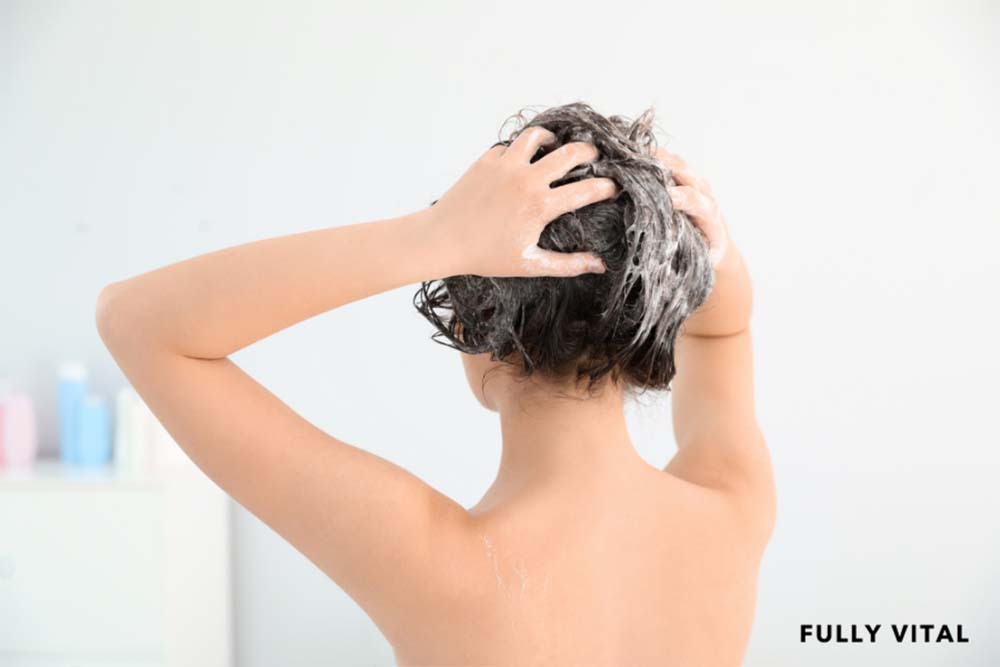
A shampoo for thinning hair can make hair look fuller and keep your scalp healthy, but it can't regrow hair on its own, because it's on your scalp for only a minute or two. The most useful types are gentle, sulfate-free volumizing shampoos for fine hair, and anti-dandruff shampoos with ketoconazole if your scalp is flaky or oily. For actual growth support, a leave-on scalp serum or minoxidil does far more.
This guide covers what thinning-hair shampoos can and can't do, the ingredients worth looking for, what to avoid, and how to wash thinning hair.
Key fact: Washing doesn't cause hair loss. The hairs you see in the drain were already shed and would have come out anyway. Washing less often just means more come out at once.

The Short Answer
- Shampoo can't regrow hair, but a good one can make fine hair look thicker and keep the scalp healthy.
- Ketoconazole (anti-dandruff) shampoo has some evidence in pattern hair loss and is worth trying if you have flakes or an oily scalp.
- Choose gentle, sulfate-free, lightweight formulas; avoid heavy silicones and oils that weigh fine hair down.
- For growth support, use a leave-on scalp treatment alongside your shampoo.
Do Shampoos for Thinning Hair Work?
They help, but less than the labels suggest. A shampoo touches your scalp for a minute or two before it's rinsed off, so most active ingredients don't have much time to work. What shampoo can do is clean away oil and flakes that inflame the scalp, and leave fine hair with more body. Some ingredients, such as ketoconazole and caffeine, have shown effects even from short contact, but the evidence is modest.
What to Look For in a Shampoo for Thinning Hair
- Gentle cleansers: sulfate-free formulas are less drying and suit frequent washing. How shampoo cleansers work.
- Volumizing, lightweight formulas that don't coat fine hair.
- Ketoconazole (1% over the counter, 2% on prescription in many countries) if you have dandruff or an oily, itchy scalp. How anti-dandruff shampoo works.
- Caffeine, which reaches the follicle quickly even in a shampoo.
- Zinc pyrithione for flaking. Zinc pyrithione for hair and scalp.
What to Avoid
- Heavy silicones and rich oils on fine hair: they flatten it and make it look thinner. Silicones in hair products.
- Harsh, stripping formulas used daily, which can leave the scalp irritated.
- Promises of regrowth. No shampoo is approved to regrow hair.
Best Shampoo for Thinning Hair: Women vs. Men
The same principles apply to both. Women with fine or color-treated hair usually do best with gentle, volumizing, sulfate-free formulas. Men with pattern hair loss often add a ketoconazole shampoo a few times a week, alongside minoxidil or other treatments their doctor recommends. If your scalp is oily, wash more often, not less. Shampoo for oily hair.
How to Wash Thinning Hair
- Wash as often as your scalp needs; for most people that's every day or two.
- Focus the shampoo on your scalp and let the suds clean the lengths as you rinse.
- Use conditioner on the lengths only, not the roots.
- Pat dry, detangle gently from the ends up, and keep heat low.
- Use a clarifying shampoo occasionally if you use a lot of styling products. What clarifying shampoo does.
What Can a 70-Year-Old Woman Do About Thinning Hair?
The same steps help at any age: check for treatable causes such as low iron, vitamin D or thyroid problems, use gentle volumizing products and a flattering cut, and consider minoxidil or a scalp serum. Hair naturally thins a little with age, so a doctor's check helps tell normal aging from a treatable cause. Vitamins for hair growth.

What the Research Shows
A comparative study (Piérard-Franchimont et al., 1998) compared 2% ketoconazole shampoo with an unmedicated shampoo, with or without 2% minoxidil, in men with androgenetic alopecia. Hair density, hair size and the share of growing follicles improved almost as much with ketoconazole as with minoxidil, and scalp oil fell. The authors called for larger controlled studies.
A study of follicular penetration (Otberg et al., 2007) applied a caffeine shampoo for two minutes. Caffeine penetrated through the hair follicles faster and in larger amounts than through the skin between them, showing that even brief shampoo contact can deliver an ingredient to the follicle.
A review of nutrition and hair loss (Rushton, 2002) notes that many people with increased shedding wash less often for fear of losing more hair. This raises the number of hairs that come out in the next wash, which makes the fear worse. The author recommends explaining the hair cycle and keeping a normal hair-care routine.
Shampoo Plus a Leave-On Treatment
Because shampoo rinses off, pair it with something that stays on the scalp. FullyVital doesn't make a shampoo. Our Hair Revival Serum is a nightly leave-on scalp serum with rosemary oil, caffeine, adenosine and saw palmetto extract, designed to support a healthy scalp and fuller-looking hair alongside whatever gentle shampoo you like. How to choose a hair growth serum.
For cuts and styling tricks that make thinning hair look fuller, see our guide to hairstyles for thinning hair.
Frequently Asked Questions
What is the best thickening shampoo for fine hair?
A lightweight, sulfate-free volumizing shampoo that cleans without coating the hair. Avoid heavy silicones and oils, which weigh fine hair down.
Do hair loss shampoos work?
They can make hair look fuller and keep the scalp healthy, and ketoconazole has some evidence in pattern hair loss. No shampoo regrows hair on its own.
Is sulfate-free shampoo better for thinning hair?
It's gentler and less drying, which helps if you wash often or have color-treated hair. It doesn't directly make hair grow.
Does washing your hair every day cause hair loss?
No. The hairs that come out when you wash were already shed. Washing less just means more come out at once.
What vitamin are you lacking if your hair is thinning?
Low iron stores and low vitamin D are the most common, followed by zinc and B12. A blood test is the only way to know.
Scientific References
This guide is grounded in the following published research.
Piérard-Franchimont C, De Doncker P, Cauwenbergh G, et al. "Ketoconazole shampoo: effect of long-term use in androgenic alopecia." Dermatology, 1998.
Otberg N, Teichmann A, Rasuljev U, et al. "Follicular penetration of topically applied caffeine via a shampoo formulation." Skin Pharmacol Physiol, 2007.
Rushton DH. "Nutritional factors and hair loss." Clin Exp Dermatol, 2002.
Read more

A Deep Dive Into Clarifying Shampoo Usage: Finding The Sweet Spot For Optimal Hair Health
Learn how to find the perfect balance and frequency for using clarifying shampoo. Discover the benefits, alternatives, and…
Read more
What Causes Greasy Hair? What the Research Shows
What the research says about why hair gets greasy, whether a vitamin deficiency is a cause (no evidence), and what to do about an oily scalp.
Read more
