
Premature Gray Hair: Why You're Going Gray Early (and What Helps)
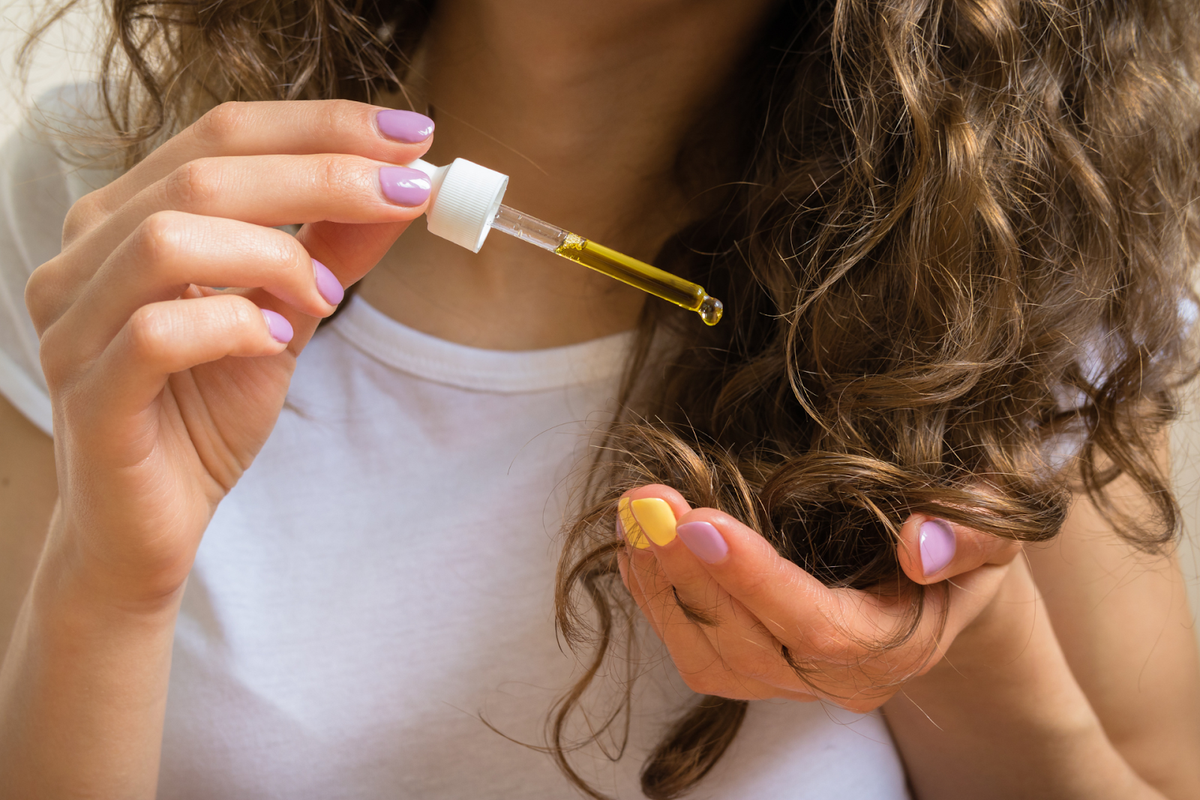
Going gray early usually comes down to your genes, but it isn't only genetic. Low vitamin B12 or iron stores, oxidative stress, chronic stress and smoking are all linked to graying sooner than expected, and some of these you can change.
This guide explains what counts as premature graying, what causes it, when it's worth seeing a doctor, and what you can do at each age.
Key fact: Premature graying runs on the same biology as ordinary graying: pigment cells in the follicle slow down. It just happens earlier, and that means the modifiable factors matter more.

What Counts as Premature Graying?
Premature graying means going gray much earlier than is typical for your background. The usual medical definition is graying before age 20 in Caucasian people and before age 30 in African American people, as set out in a 2018 review (Kumar et al.).
Graying in your 30s is earlier than average for many people, but it isn't "premature" by that definition. It's still worth looking at the causes below. For how graying usually progresses with age, see what causes gray hair.
Why Do Some People Go Gray Early?
Hair turns gray when melanocytes, the pigment-making cells in each follicle, make less melanin. In premature graying, several things can push that process forward at once.
Genetics
Genes play a large part. If a parent went gray young, you're more likely to as well.
Low Vitamin B12 and Iron Stores
Making melanin depends on nutrients. Studies of young people with premature graying have found lower vitamin B12 and lower iron stores than in people without it. Gray hair and nutrient depletion and which vitamins matter.
Oxidative Stress
Producing pigment generates reactive molecules, which the follicle's antioxidants normally neutralize. When oxidative stress outpaces those defenses, pigment production suffers. More on oxidative stress and hydrogen peroxide.
Chronic Stress
Long-term stress is linked to graying, acting at the root over weeks and months rather than overnight. Can stress cause gray hair?
Smoking and Lifestyle
Smoking is linked to graying earlier. A sedentary lifestyle and irregular eating have also been reported more often in people who gray young. Smoking and gray hair.

Going Gray Early, by Age
- Teens and 20s: graying this early is more likely to be premature, so a check-up for nutrient levels and thyroid function is sensible. Going gray in your 20s.
- 30s: often genetics plus lifestyle factors such as stress, diet and smoking. Going gray in your 30s.
- 40s and 50s: mostly normal age-related graying, sometimes alongside hormonal change. Going gray in your 40s and 50s and perimenopause and gray hair.
Is Early Graying a Sign of a Health Problem?
Usually not. Most premature graying is genetic. But early graying has been associated with some premature aging disorders, atopy (allergic conditions such as eczema) and autoimmune conditions. The 2018 review recommends that people who gray prematurely be checked for related syndromes and metabolic disease.
See a doctor if your graying is sudden or patchy, started in childhood or your teens, or comes with fatigue, skin changes or other symptoms. When sudden gray hair is worth a doctor's visit.
What the Research Shows
In a study of 37 young Indian adults with premature graying and 37 matched controls (Chakrabarty et al., 2016), people who grayed early had lower serum ferritin (iron stores), lower vitamin B12 and lower HDL cholesterol. They were also more likely to report a sedentary lifestyle and irregular eating habits.
A 2020 study of 50 people under 25 with premature graying and 30 controls (Saxena et al.) found higher levels of an oxidative damage marker (malondialdehyde) and lower levels of the antioxidants glutathione and superoxide dismutase in those who grayed early. The more gray hair someone had, the greater the imbalance.
The 2018 review by Kumar and colleagues notes that the exact cause of premature graying is still unknown, and that hair dye remains the main cosmetic option alongside nutritional supplementation.
How Does Age-Related Graying Differ from Premature Graying?
Age-related graying is gradual and driven mainly by the slow decline of the follicle's pigment stem cells over decades. Premature graying follows the same biology on a faster timeline. Because genetics and modifiable factors such as nutrient gaps, oxidative stress, stress and smoking all play a part, early graying isn't always a fixed fate. Why acting early matters.
The 5 Root Causes of Graying, and What Addresses Each One
FullyVital's formula targets five root causes linked to hair losing its color. Here's how they map to the Anti-Gray system's ingredients.
| Root cause | What's happening | FullyVital ingredients |
|---|---|---|
| Free radicals | Oxidative damage to melanocytes | Glutathione, astaxanthin, Polypodium leucotomos (supplement); Picrorhiza extract (Arcolys) (serum) |
| Hydrogen peroxide | Peroxide builds up in the follicle | Palmitoyl dipeptide-52 (Silverfree), EUK-134, palmitoyl tetrapeptide-20 (Greyverse) (serum) |
| Low stem cells | Fewer cells to replenish melanocytes | Linum alpinum extract (Eterwell Hair), curcuma longa exosomes, ginseng extract (serum) |
| Chronic stress | Stress linked to faster graying | Ashwagandha, L-theanine (supplement) |
| Scalp aging | Declining follicle environment | Copper tripeptide-1, biotin, vitamin B6, panthenol, hyaluronic acid, centella asiatica (serum) |
The pigment pathway itself, copper, L-tyrosine and acetyl tyrosine, plus Greyverse and citrus reticulata extract (Melanogray), runs through the whole system.

What Can You Actually Do About It?
- Get checked if you're graying very young. Ask about vitamin B12, iron (ferritin) and thyroid function, and correct any deficiency that's confirmed.
- Don't smoke, and look after sleep, activity and stress.
- Eat regularly and well, with enough protein and a variety of fruit and vegetables.
- Support the follicle inside and out. The Anti-Gray 30-Day Kit pairs a supplement with a scalp serum. The supplement provides copper, which contributes to normal hair pigmentation (an EU-authorized claim), along with L-tyrosine, vitamin B12, ashwagandha and L-theanine, and antioxidants. The serum brings Greyverse, Silverfree, Melanogray and antioxidant actives to the scalp.
In an April 2025 customer survey, 85% of customers reported noticing fewer grays after 90 days of consistent use.
Jen H. put it simply: "My stylist has been amazed by the reduction in my grays — love these products!"
How Long Before You Might See a Difference?
Hair grows slowly, and changes in the follicle only show at the root as new hair grows in. Give any routine at least one full growth cycle, about three months, before judging it. That's why the system is designed for a 90-day commitment, backed by a 120-day money-back guarantee.

Frequently Asked Questions
What does early white hair mean?
Usually it means you've inherited a tendency to gray early. It can also reflect low B12 or iron stores, oxidative stress, smoking or stress, and occasionally an underlying condition, so very early graying is worth a check-up.
Why is my hair turning white at 16?
Graying in the teens is premature by any definition. Genetics is the most common reason, but a doctor can check for nutrient deficiencies, thyroid problems and related conditions.
What vitamin are you lacking if your hair is turning gray?
Low vitamin B12 and low iron stores (ferritin) have been found more often in people who gray early. Only treat a deficiency that a blood test confirms.
Can premature graying be reversed?
Sometimes, partly. Correcting a confirmed deficiency or treating an underlying condition can help in some cases, but no product can guarantee full color restoration, and results vary.
How do I stop getting white hair?
You can't stop genetic graying, but you can address what's linked to graying early: correct confirmed deficiencies, don't smoke, and manage stress.
Why am I going gray in my 30s?
Most often it's genetics, sometimes sped up by stress, smoking, diet or nutrient gaps. By the medical definition it isn't usually "premature", but it's earlier than average for many people.
Scientific References
The causes and evidence described in this article are grounded in the published research below.
Kumar AB, Shamim H, Nagaraju U. "Premature Graying of Hair: Review with Updates." Int J Trichology, 2018.
Chakrabarty S, Krishnappa PG, Gowda DG, et al. "Factors Associated with Premature Hair Graying in a Young Indian Population." Int J Trichology, 2016.
Saxena S, Gautam RK, Gupta A, et al. "Evaluation of Systemic Oxidative Stress in Patients with Premature Canities and Correlation of Severity of Hair Graying with the Degree of Redox Imbalance." Int J Trichology, 2020.
EFSA Panel on Dietetic Products, Nutrition and Allergies. Scientific Opinion on health claims related to copper, including maintenance of normal hair pigmentation. EFSA Journal, 2009;7(9):1211.
Read more

What the 2021 Columbia Gray-Reversal Study Actually Showed
A 2021 Columbia University study found that stress may accelerate graying — and that some gray hairs reversed when stress dropped. That's a meaningful finding, and it deserves an honest read. The s...
Read more
Going Gray in Your 20s: Causes and What You Can Do
Going gray in your 20s is more common than you think. Premature gray hair — defined as graying before age 25 — affects a meaningful number of young women, and the causes go deeper than genetics alo...
Read more
