
Biotin for Hair Growth: Does It Work, and Who Actually Needs It?
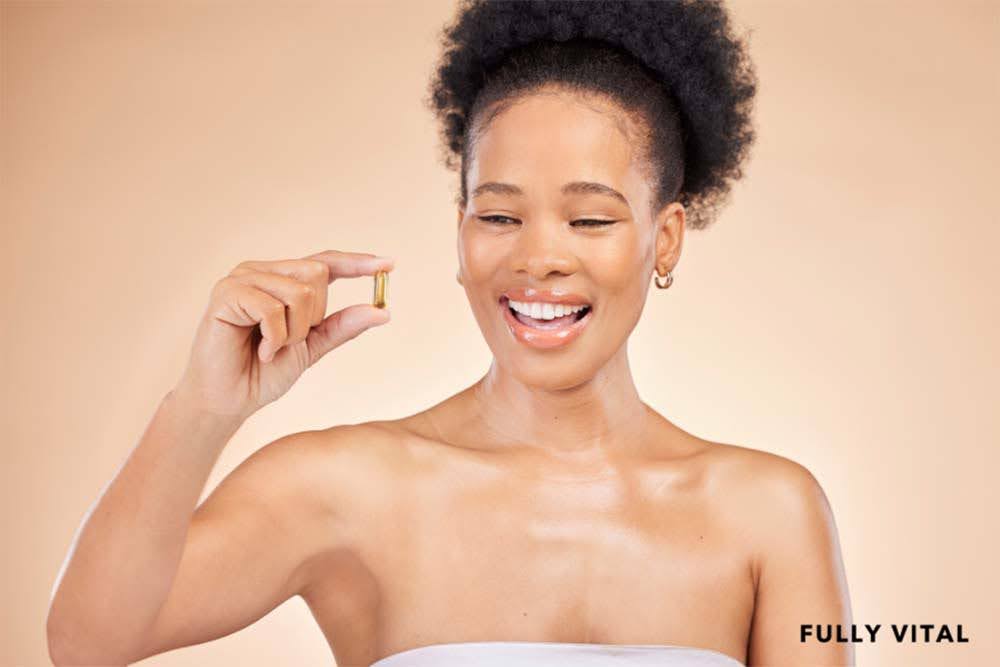
Biotin helps hair grow if you're low in it. Biotin (vitamin B7) is needed to make keratin, the protein hair is made of, and a true deficiency can cause thinning. But if your biotin levels are normal, there's little evidence that taking more makes hair grow faster or thicker. High doses can also skew some blood tests, so tell your doctor if you take it.
This guide covers what biotin does for hair, who's likely to be low, how much to take, how long it takes, and what to know about safety.
Key fact: In every published case where biotin clearly improved hair, the person had an underlying problem such as a biotin deficiency. That's why testing, not guessing, is the smart first step.

The Short Answer
- Biotin supports keratin production, and a deficiency can cause hair thinning, a scaly red rash and brittle nails.
- In one study, more than a third of women complaining of hair loss had low biotin, but most people with normal levels won't see extra growth from it.
- Any benefit shows in new growth, so give it at least three months.
- High-dose biotin can interfere with some lab tests, including thyroid and heart tests. Tell your doctor before blood work.
Is Biotin Good to Make Hair Grow?
It is if you're short of it. Biotin helps your body turn food into energy and make keratin, so a deficiency can slow growth and thin your hair. Correcting it can help. If your levels are already normal, the evidence that extra biotin grows more hair is weak, even though it's the most heavily marketed hair vitamin.
What Are the Signs of Biotin Deficiency?
- Thinning hair or hair loss
- A red, scaly rash, often around the eyes, nose and mouth
- Brittle nails
These signs overlap with many other causes, including low iron, thyroid problems and stress, so a blood test and a check-up are the reliable way to know.
Who Is More Likely to Be Low in Biotin?
Most people get enough biotin from food. You're more likely to fall short if you have a rare inherited condition that affects biotin, take certain anti-seizure medicines, drink heavily, have digestive conditions that limit absorption, or regularly eat raw egg whites, which contain a protein that binds biotin. Pregnancy can also lower biotin levels. Biotin vs. prenatal vitamins for hair growth.
How Much Biotin Should You Take for Hair?
There's no proven "hair dose". The recommended daily intake for adults is small, and most diets meet it. Many hair supplements contain far more than that. If you choose a supplement, a moderate amount in a multinutrient formula makes more sense than a megadose. How much biotin to take for hair growth.
How Long Does Biotin Take to Work?
If you're deficient, expect around three months or more before you notice a difference, because new hair grows slowly from the root. If nothing has changed after six months, biotin probably wasn't the missing piece. How long biotin takes to work.
Does Biotin Interact With Medications or Tests?
Biotin's best-known problem is with lab tests. Many blood tests use a biotin-based method, so high biotin levels can produce falsely high or falsely low results, including for thyroid hormones and troponin, a heart test. Tell your doctor you take it, and ask whether to pause it before a blood test. Some anti-seizure medicines can lower biotin levels.
Biotin vs. Collagen and Other Hair Nutrients
Biotin is one nutrient among several that matter for hair. Iron, vitamin D, zinc and B12 shortfalls are often more common in people with thinning hair. Collagen provides amino acids rather than a vitamin, and is a different kind of support. The best vitamins for hair growth and biotin vs. collagen.

What the Research Shows
A review of biotin for hair and nails (Patel et al., 2017) found 18 reported cases where biotin improved hair or nail growth. In every case the person had an underlying cause, such as an inherited or acquired biotin deficiency. The authors concluded there isn't enough evidence to support biotin for healthy people.
A study of women complaining of hair loss (Trüeb, 2016) found biotin deficiency in 38% of them. Only about 11% of those who were deficient had a known risk factor. Even so, the author argues against giving biotin to every woman with hair loss, and recommends confirming a deficiency first with a history, an examination and a blood test.
A 2020 guidance document from the American Association for Clinical Chemistry (Li et al.) explains that high biotin levels from supplements can cause clinically significant errors in some lab tests. The amount needed to cause problems varies by test and manufacturer, so patients and doctors should be aware of it.
Where Hair Revival Supplements Fit
FullyVital's Hair Revival Supplements include biotin as part of a wider formula, with vitamin D3, vitamin B12 (as methylcobalamin), folate, zinc, selenium and copper, plus botanicals such as saw palmetto and pumpkin seed oil. They're designed to support healthy hair growth from the inside, rather than relying on a single vitamin. Pair them with the Hair Revival Serum, or get both in the Hair Revival Kit 30-Day. As with any biotin-containing supplement, tell your doctor you take it before a blood test.
Frequently Asked Questions
Is biotin good to make hair grow?
Yes, if you're low in biotin. If your levels are normal, there's little evidence that extra biotin grows more hair.
What are the signs of biotin deficiency?
Thinning hair, a red scaly rash around the eyes, nose and mouth, and brittle nails. A blood test is the only way to confirm it.
Does biotin interact with medications?
Some anti-seizure medicines can lower biotin levels. More commonly, high-dose biotin interferes with lab tests, so tell your doctor before any blood work.
How long does biotin take to work for hair?
At least three months if you were deficient, because new growth has to come in from the root.
Which age is best for biotin?
There's no best age. People of any age can be low, but most adults get enough from food. If you're unsure, ask your doctor about a blood test.
Can biotin cause breakouts?
Some people report acne when taking high-dose biotin. If you notice breakouts, try a lower dose or stop and see whether your skin settles.
Scientific References
This guide is grounded in the following published research.
Patel DP, Swink SM, Castelo-Soccio L. "A Review of the Use of Biotin for Hair Loss." Skin Appendage Disord, 2017.
Trüeb RM. "Serum Biotin Levels in Women Complaining of Hair Loss." Int J Trichology, 2016.
Li D, Ferguson A, Cervinski MA, et al. "AACC Guidance Document on Biotin Interference in Laboratory Tests." J Appl Lab Med, 2020.
Read more
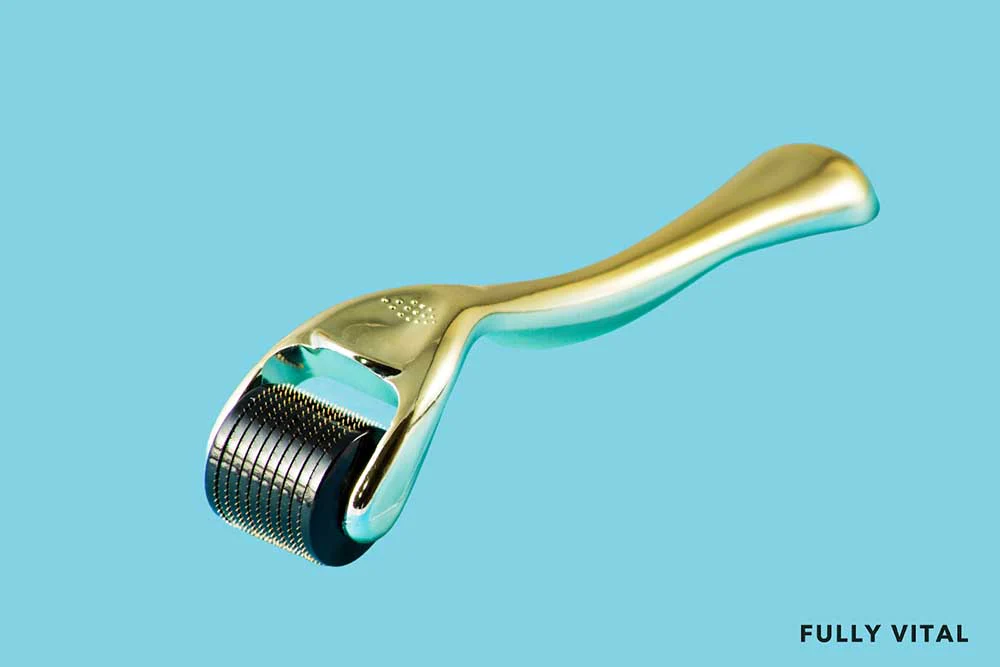
Derma Roller for Hair Growth: What the Research Shows & Safety
What studies show about microneedling and derma rollers for hair loss, why there is no evidence on coconut oil after derma rolling, and a home-use infection case report.
Read more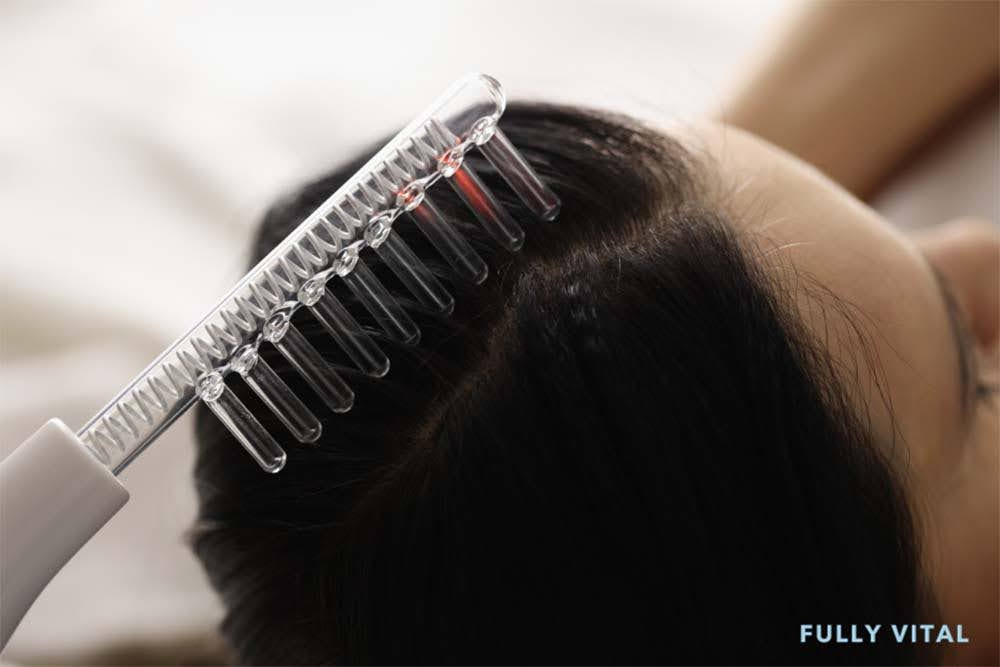
Say Goodbye To Inflamed Hair Follicles: Tips For Prevention And Relief
Looking for ways to prevent and relieve inflamed hair follicles? Discover helpful tips and information to maintain healthy hair follicles, prevent hair loss, and…
Read more
