Cortisol and Gray Hair: How Stress Reaches the Follicle
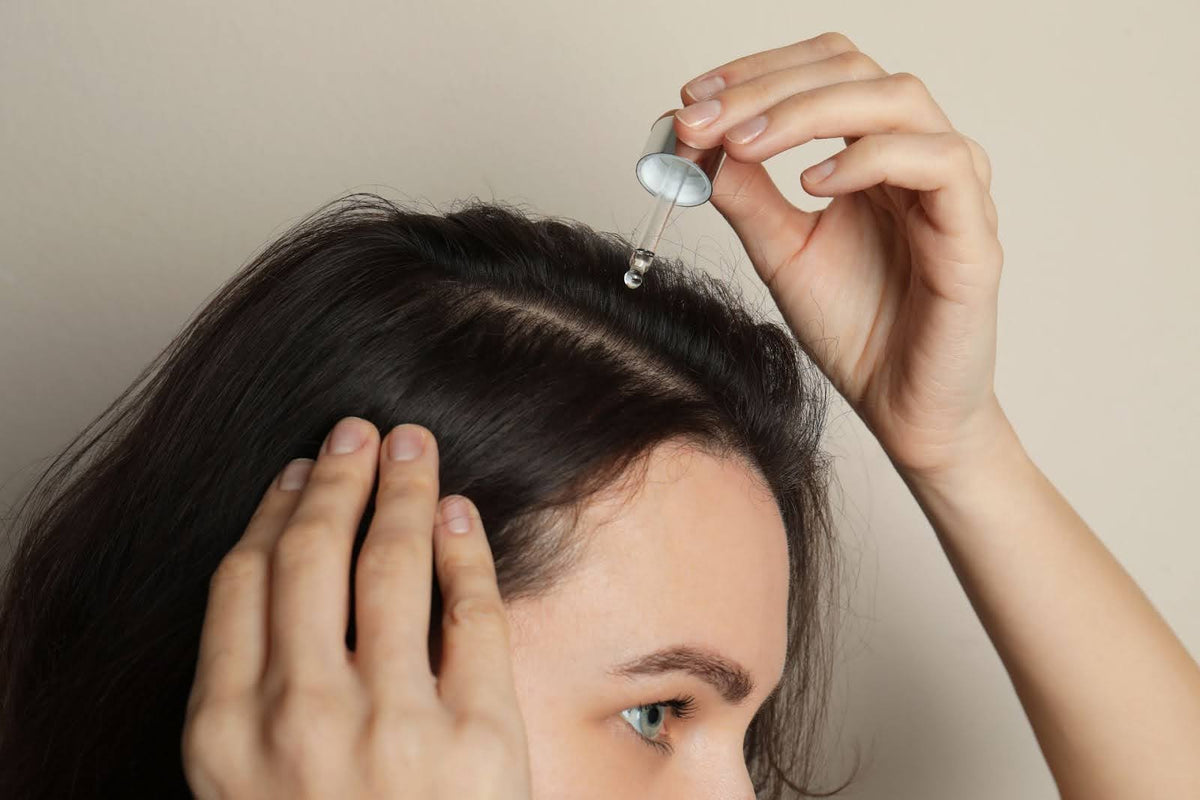
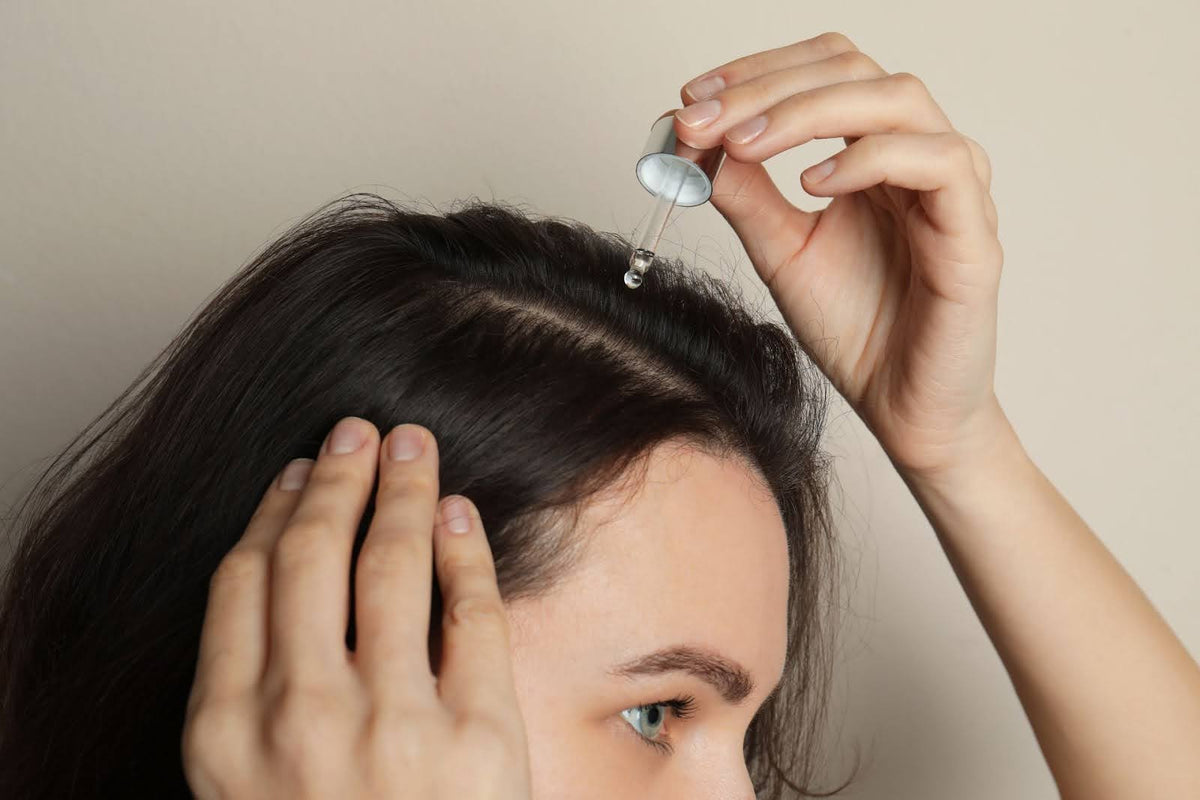
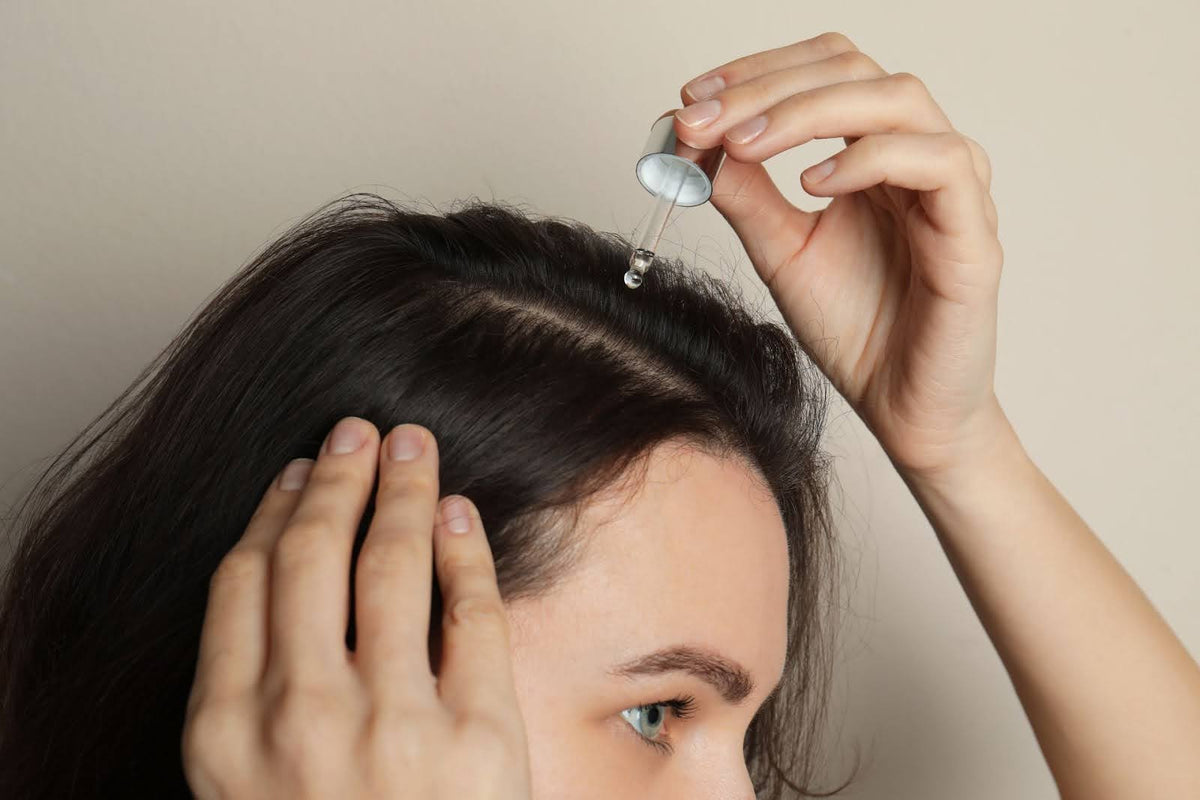
Chronic stress can reach inside your hair follicle and disrupt the cells that make your natural color.
The connection between stress and gray hair is real — and it runs deeper than a bad week.
It starts with cortisol, your body's primary stress hormone.
Key fact: A 2020 study published in Nature found that acute stress depleted melanocyte stem cells in hair follicles, accelerating the appearance of gray hair in animal models.
Understanding this pathway is the first step to doing something about it.

How Does Stress Affect Hair Follicles?
Stress triggers a cascade inside your body that eventually reaches your hair follicles.
When you experience stress, your adrenal glands release cortisol and other stress hormones.
These hormones activate your sympathetic nervous system — the "fight or flight" response.
That activation sends norepinephrine surging to the base of the hair follicle.
Melanocyte stem cells (the reservoir that replenishes your pigment-producing cells) are highly sensitive to this signal.
Research suggests that surge causes them to over-activate and migrate out of the follicle prematurely — depleting your pigment reserve faster than it can be refilled.
Once those stem cells are gone from a follicle, that strand grows in without color.
Want to support your body's resilience to this process? The Anti-Gray Supplement is formulated with adaptogens designed to help.

What Is the Cortisol Effect on Melanocytes?
Melanocytes are the specialized cells that produce melanin — the pigment that gives your hair its color.
Cortisol does not attack melanocytes directly.
Instead, it disrupts the environment those cells depend on.
Elevated cortisol increases oxidative stress throughout the body.
Oxidative stress generates free radicals — unstable molecules that damage cells, including the melanocytes inside your follicle.
Cortisol also promotes hydrogen-peroxide buildup in the follicle.
Hydrogen peroxide, even in small amounts, bleaches hair from within.
Research from the FASEB Journal identified significant hydrogen-peroxide accumulation in the hair follicles of people with gray hair, linked to a breakdown in the body's natural catalase enzyme activity.
The result: melanocytes produce less and less melanin over time, and each new strand grows in lighter.

The 5 Root Causes Behind Stress-Related Graying
Stress doesn't cause gray hair through one single pathway — it accelerates multiple root causes at once.
Here's how each one connects to what's happening in your follicle.
| Root Cause | How Stress Makes It Worse | What FullyVital Targets |
|---|---|---|
| Stress | Cortisol depletes melanocyte stem cells | Rhodiola + L-Theanine — supports resilience to everyday stress |
| Free Radicals | Oxidative stress damages pigment cells | GliSODin, Glutathione, Astaxanthin, Selenium — supports antioxidant defenses |
| Hydrogen Peroxide | Cortisol reduces catalase activity | GliSODin + B-complex — helps support the body's peroxide-clearing pathways |
| Low Stem Cells | Stress depletes your pigment stem-cell reserve | Formulated to support a healthy follicle environment |
| Scalp Aging | Chronic stress accelerates cellular aging | Biotin, Zinc, B-complex — supports healthy hair from within |
Every row in that table is a real, measurable process happening inside your follicle.
Addressing one helps, but addressing all five together is the design behind the Anti-Gray Supplement.
Can You Actually Do Something About Stress-Related Graying?
Yes — and the earlier you start, the more follicles you're working with.
You can't eliminate stress from your life.
But you can support your body's ability to handle it — and reduce the downstream damage to your pigment cells.
Three evidence-informed strategies work together.
1. Support your stress-response system from within.
Adaptogens like Rhodiola rosea and L-Theanine are designed to support your resilience to everyday stress — the same stress research links to graying.
The FullyVital Anti-Gray Supplement includes both at clinically-referenced doses.
2. Defend your follicles against oxidative damage.
GliSODin — a gliadin-protected form of superoxide dismutase — helps support your body's own antioxidant defenses against the oxidative stress tied to aging hair.
A multi-antioxidant complex including Glutathione, Astaxanthin, Polypodium, and Selenium helps defend the follicle against the free-radical damage linked to graying.
3. Support the melanin production pathway directly.
Copper contributes to normal hair pigmentation — this is an EU-authorized claim backed by the EFSA.
L-Tyrosine provides the building block your body uses to support natural pigment production.
Together, they support the melanin engine that stress is trying to shut down.

What Jennifer Knows That She Didn't Three Years Ago
If you've been dyeing your hair every three weeks since your early thirties, you already know the salon cycle.
You know the cost — in time, in money, in that particular kind of exhaustion.
What you may not have known is that the graying accelerating around a stressful project, a difficult season, a health scare — that wasn't in your imagination.
The research backs you up.
And it means there are real, addressable mechanisms behind what you've been seeing in the mirror.
That's not a promise of complete reversal.
But in a customer survey conducted in April 2025, 85% of FullyVital customers reported noticing fewer grays after 90 days.
Shana G. said it this way: "I see much less grays in the mirror — I don't have to dye my hair for 14 weeks now."
That kind of freedom from the salon cycle is exactly what supporting your hair from the root causes can look like.
FullyVital is formulated by Dr. Sandra Kaufmann, MD — a cellular biologist and longevity expert — and every batch is third-party tested for heavy metals, non-GMO, vegan, and made in an FDA-registered facility in the USA.
There's also a 120-day money-back guarantee.
Try it risk-free for four months.
If you're not seeing results, you'll get a full refund.
Start supporting your hair's natural color at the source — explore the Anti-Gray Supplement today.

Frequently Asked Questions
Does cortisol directly cause gray hair?
Cortisol does not bleach hair directly.
It disrupts the environment melanocytes depend on by increasing oxidative stress and promoting hydrogen-peroxide buildup in the follicle.
Research also shows that stress activates the sympathetic nervous system, which can deplete the melanocyte stem cells that replenish pigment-producing cells.
Over time, this combination leads to less melanin and more gray strands.
How does stress affect hair follicles?
Stress hormones — including cortisol and norepinephrine — reach the hair follicle and trigger a cascade of changes.
These changes include oxidative damage to melanocytes, hydrogen-peroxide accumulation, and premature depletion of the melanocyte stem-cell reservoir.
Each of these pathways reduces your follicle's ability to produce pigment over time.
Can reducing stress slow down graying?
Managing stress is one meaningful factor in a multi-cause picture.
Because stress accelerates several of the root causes of graying simultaneously, reducing its impact — through adaptogens, antioxidant support, and lifestyle changes — may help support a healthier follicle environment.
Results vary, and genetics also play a role in the timing of gray hair.
What adaptogens support hair pigment under stress?
Rhodiola rosea and L-Theanine are two well-studied adaptogens that support resilience to everyday stress.
The FullyVital Anti-Gray Supplement includes both, along with a full antioxidant complex, copper, and L-Tyrosine to support the natural melanin production pathway.
How long does it take to see results with a stress-targeting supplement?
Hair grows slowly — roughly half an inch per month.
Most customers in FullyVital's April 2025 survey began noticing changes at 60–90 days.
Giving your follicles a full growth cycle is the most realistic way to assess what's happening.
The 120-day money-back guarantee is designed to give you that time without financial risk.
Scientific References
The mechanisms and evidence described in this article are grounded in the published research below.
Zhang B, Ma S, Rachmin I, et al. "Hyperactivation of sympathetic nerves drives depletion of melanocyte stem cells." Nature, 2020;577(7792):676–681.
Wood JM, et al. "Senile hair graying: H₂O₂-mediated oxidative stress affects human hair color by blunting methionine sulfoxide repair." FASEB Journal, 2009;23(7):2065–2075.
EFSA Panel on Dietetic Products, Nutrition and Allergies. Scientific Opinion on health claims related to copper, including maintenance of normal hair pigmentation. EFSA Journal, 2009;7(9):1211.
Tobin DJ. "Biochemistry of human skin — our brain on the outside." Chemical Society Reviews, 2008;37:1191–1200.