Going Gray in Your 30s: Why It Happens and How to Slow It
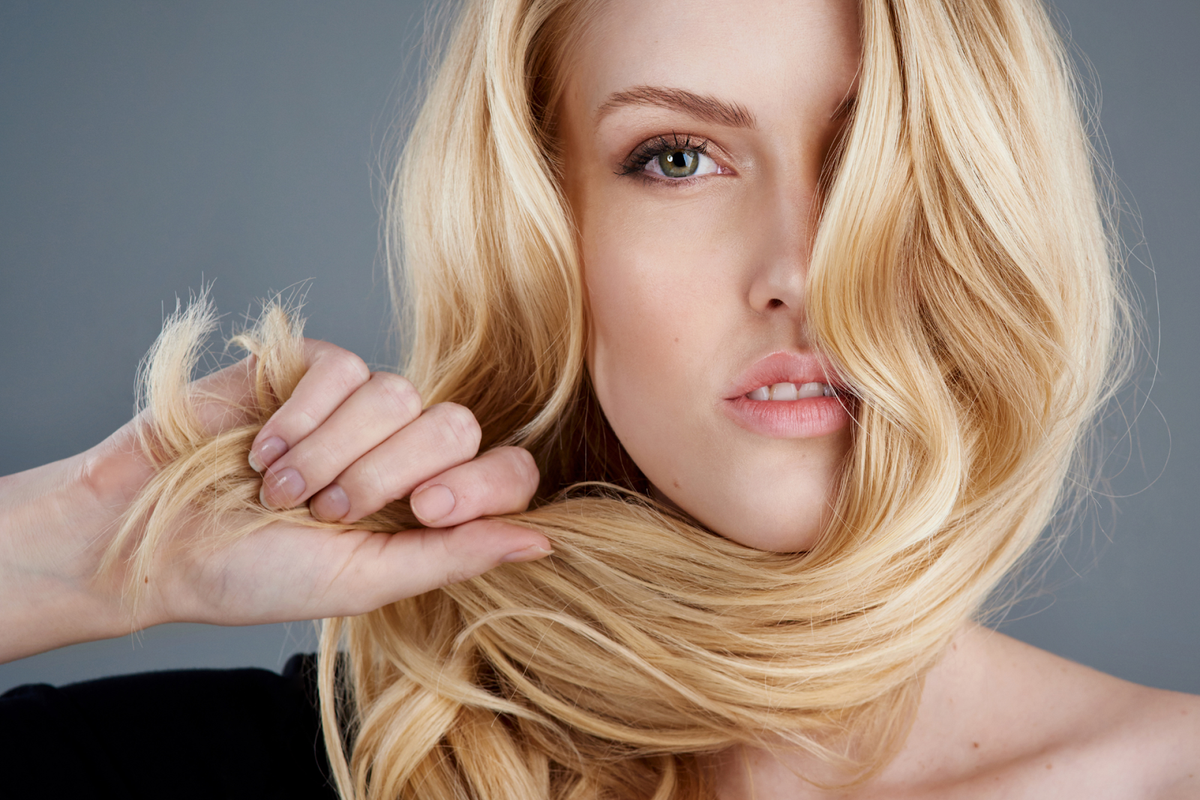
Gray hair in your 30s is more common than most people talk about.
Premature graying is largely driven by oxidative stress, nutrient gaps, and genetics — not just age.
The good news: a meaningful portion of what drives early graying is addressable.
Key fact: Research suggests that up to 70% of the factors driving graying are influenced by lifestyle and environment — not genetics alone, according to pigment biology reviews in dermatology literature.
You are not powerless here — and you are not alone.

Why Are You Going Gray in Your 30s?
Premature graying happens when the melanocytes (the pigment-making cells inside each follicle) slow down or stop producing melanin earlier than expected.
Several root causes can trigger this — and they often stack on top of each other.
Give your follicles support from every angle with the Anti-Gray 30-Day Kit — designed to target the root causes, inside and out.
Oxidative Stress and Hydrogen Peroxide Buildup
Your follicles naturally produce a small amount of hydrogen peroxide as a byproduct of cell activity.
Normally, an enzyme called catalase breaks it down before it can do damage.
As you age — or if you're under chronic stress — catalase levels drop.
Peroxide builds up, bleaches pigment from within, and graying accelerates.
This is one of the most well-documented mechanisms behind both premature and age-related gray hair.
Stress: The Graying Accelerator
Stress depletes the stem cells that replenish melanocytes in your follicles.
A 2020 study published in Nature showed that stress hormones directly triggered melanocyte stem cell loss in animal models — connecting chronic stress to irreversible graying at the follicle level.
If your grays seemed to multiply during a hard season of life, that is not a coincidence.

Nutrient Gaps That Matter More Than You Think
Melanin production depends on a specific chain of nutrients — and gaps in any link slow the whole process down.
Copper is the most critical: it activates tyrosinase, the enzyme that kicks off melanin synthesis.
Copper contributes to normal hair pigmentation — this is an EU-authorized claim backed by the European Food Safety Authority.
B12, folate, zinc, and biotin all support the cellular environment your follicles need to keep pigment moving.
Low B12 in particular is closely linked to premature graying in younger adults, according to multiple published reviews.
Genetics — Real, but Not the Whole Story
Yes, genetics load the gun.
If one or both of your parents went gray early, your risk is higher.
But genetics set a range — lifestyle, nutrients, and stress determine where inside that range you land.
"Inevitable because of genetics" is not the complete picture, especially in your 30s.

How to Support Your Hair's Natural Color in Your 30s
Slowing premature graying means addressing the root causes — not masking them with dye.
There are five root causes that converge on one outcome: your follicle makes less melanin.
Those five are: stress, free radicals, low stem cells, hydrogen peroxide buildup, and scalp aging.
Targeting all five — consistently — is where meaningful support starts.
Inside: Support Your Melanin Pathway Through Nutrition
An anti-gray supplement designed around the melanin pathway supports your body at the root-cause level.
FullyVital's Anti-Gray 30-Day Kit includes a supplement formulated with copper and L-tyrosine — the building blocks your body uses to support natural pigment production.
It also includes GliSODin, a gliadin-protected form of SOD (superoxide dismutase, your body's primary antioxidant enzyme), to help support your body's own defenses against the oxidative stress tied to graying.
Rhodiola and L-theanine are included as adaptogens — botanicals that support your resilience to everyday stress, the same stress research links to accelerated graying.
Outside: Target the Follicle Directly
The serum in the kit brings clinically-studied actives to the scalp where graying actually starts.
Greyverse — a peptide included at 2%, the studied concentration — is formulated to support the hair's natural pigment process and the look of fewer grays.
Silverfree helps reduce the hydrogen-peroxide buildup associated with graying.
Eterwell Hair, a senolytic active, helps support the scalp's stem-cell environment as hair ages.
Together, the serum targets the same root causes from the outside that the supplement addresses from within.
Consistency Is What Makes It Work
Hair grows slowly — roughly half an inch a month.
Pigment changes at the follicle take time to show up at the scalp.
Give it a full growth cycle: in a customer survey from April 2025, 88% of users reported seeing new pigment at the roots within 60 days, and 85% reported noticing fewer grays at 90 days.
That means committing for at least 90 days before drawing conclusions.

What Real Users Are Saying
Shana G. shared: "I see much less grays in the mirror — I don't have to dye my hair for 14 weeks now."
Caroline S. said: "My grays were bothering me but after using these products I see much less grays."
FullyVital is rated 4.7 out of 5 by over 21,600 customers.
It is vegan, cruelty-free, drug- and hormone-free, and made in a GMP, FDA-registered facility in the USA.
The Bottom Line on Going Gray in Your 30s
Going gray early is not a personal failure — it is biology.
But biology has levers.
Oxidative stress, nutrient gaps, and stem-cell decline are addressable — and starting in your 30s means you are giving your follicles the earliest, best chance.
The Anti-Gray 30-Day Kit is designed to support your hair's natural color from the inside out — formulated by Dr. Sandra Kaufmann, MD, a cellular biologist and longevity expert.
Try it risk-free: FullyVital backs every order with a 120-day money-back guarantee.

For how stress affects hair color, and what the research says about reversing it, see can stress cause gray hair?.
For the steps that can help slow graying, see our guide to how to prevent gray hair naturally.
Frequently Asked Questions
Is going gray in your 30s normal?
Going gray in your 30s is more common than most people realize.
Research suggests that over 40% of people notice their first grays before age 30, and the number in the early 30s is even higher.
It is driven by a mix of genetics, oxidative stress, and nutrient status — not age alone.
Can you slow down gray hair in your 30s?
You can support the biological pathways that drive premature graying.
Addressing oxidative stress, nutrient gaps (especially copper, B12, and zinc), and chronic stress may help support your hair's natural color.
Results depend on consistency and how many root causes are at play for your specific hair.
What causes premature graying in your 30s?
Premature graying in your 30s is most commonly linked to five root causes: oxidative stress, hydrogen peroxide buildup in the follicle, declining melanocyte stem cells, nutrient deficiencies, and chronic stress.
Genetics raise your baseline risk, but lifestyle factors influence how early and how fast graying progresses.
Does stress really cause gray hair?
Yes — stress is a documented driver of premature graying.
Chronic stress depletes the melanocyte stem cells in your follicles, which are the cells responsible for replenishing pigment production.
Adaptogens like Rhodiola and L-theanine are included in FullyVital's formula to support your resilience to everyday stress.
How long does it take to see results from an anti-gray supplement?
Most users need at least 60 to 90 days to notice visible changes, because pigment shifts happen at the follicle and take time to grow out.
In a customer survey (April 2025), 88% of users reported seeing new pigment at the roots in 60 days, and 85% reported noticing fewer grays at 90 days.
FullyVital offers a 120-day money-back guarantee so you can give it a full growth cycle without financial risk.
Scientific References
The mechanisms and evidence described in this article are grounded in the published research below.
Zhang B, Ma S, Rachmin I, et al. "Hyperactivation of sympathetic nerves drives depletion of melanocyte stem cells." Nature, 2020;577(7792):676–681.
Trüeb RM. "Oxidative stress in ageing of hair." International Journal of Trichology, 2009;1(1):6–14.
Wood JM, Decker H, Hartmann H, et al. "Senile hair graying: H₂O₂-mediated oxidative stress affects human hair color by blunting methionine sulfoxide repair." FASEB Journal, 2009;23(7):2065–2075.
EFSA Panel on Dietetic Products, Nutrition and Allergies. Scientific Opinion on health claims related to copper, including maintenance of normal hair pigmentation. EFSA Journal, 2009;7(9):1211.
Daulatabad D, Singal A, Grover C, Chhillar N. "Prospective analytical controlled study evaluating serum biotin, Vitamin B12, and folic acid in patients with premature canities." International Journal of Trichology, 2017;9(1):19–25.