
Types of Alopecia: Every Kind of Hair Loss, Explained
Alopecia simply means hair loss, and there are many types. Doctors group them by pattern: patterned loss (androgenetic alopecia, the most common), diffuse shedding (such as telogen effluvium), patchy or focal loss (such as alopecia areata or traction alopecia), and scarring alopecias, where inflammation destroys the follicle so the hair can't grow back. The type you have decides what helps, which is why a proper diagnosis comes first.
This guide explains each type, how to tell them apart, which ones are autoimmune, and when to see a dermatologist.
Key fact: Most hair loss is non-scarring, which means the follicle survives and regrowth is possible. Scarring alopecias are the exception: hair lost to scarring doesn't come back, so early diagnosis matters most there.

The Short Answer
- Androgenetic alopecia (pattern hair loss) is the most common type in both men and women.
- Telogen effluvium is sudden, all-over shedding after stress, illness or childbirth, and usually recovers.
- Alopecia areata is autoimmune and causes round, smooth bald patches.
- Scarring alopecias, such as lichen planopilaris and frontal fibrosing alopecia, are rarer but permanent, and need a dermatologist early.
The Main Types of Alopecia
| Type | What it looks like | Scarring? | Usual course |
|---|---|---|---|
| Androgenetic alopecia (pattern hair loss) | Receding hairline and crown in men; widening part in women | No | Slowly progressive |
| Telogen effluvium | Sudden all-over shedding, 2 to 3 months after a trigger | No | Usually recovers |
| Alopecia areata | Round, smooth bald patches; sometimes total loss | No | Unpredictable; often regrows |
| Traction alopecia | Thinning along the hairline or where hair is pulled tight | Not at first; can scar if it continues | Recovers if caught early |
| Trichotillomania | Patchy, broken hairs from repeated pulling | Usually no | Improves with treatment of the pulling |
| Scarring alopecias (lichen planopilaris, frontal fibrosing alopecia, discoid lupus and others) | Patches or a receding band with shiny skin, sometimes redness or itching | Yes | Permanent loss; treatment aims to stop it spreading |
Androgenetic Alopecia (Pattern Hair Loss)
The most common type. It's genetic and driven by DHT, which gradually shrinks sensitive follicles. In men it usually starts at the temples and crown; in women it thins the top of the head and widens the part. Androgenetic alopecia, female pattern hair loss and receding hairlines.
Telogen Effluvium
Sudden, diffuse shedding when a large number of hairs switch into the resting phase at once, usually two to three months after childbirth, illness, surgery, a crash diet or major stress. The follicles aren't damaged, and hair usually grows back. Sudden hair shedding: telogen effluvium.
Alopecia Areata
An autoimmune condition in which the immune system attacks growing hair follicles, causing round, smooth bald patches. It can also affect the eyebrows, eyelashes and beard, and in rare cases all scalp or body hair. Because the follicle survives, hair often regrows. Alopecia areata: causes, regrowth and treatment.
Traction Alopecia and Trichotillomania
Both come from pulling. Traction alopecia is caused by tight hairstyles, braids, extensions or weaves pulling on the follicles over time. Trichotillomania is a condition in which a person repeatedly pulls out their own hair; it's treated as a mental health condition, usually with behavioral therapy.
Scarring Alopecias
A group of conditions in which inflammation destroys the hair follicle and replaces it with scar tissue. They include lichen planopilaris, frontal fibrosing alopecia (a variant that moves the front hairline back, mostly in women after menopause), discoid lupus and central centrifugal cicatricial alopecia. Signs include shiny skin where hair used to be, redness, scaling, itching or burning. A scalp biopsy usually confirms the diagnosis.
Hair Loss Linked to Other Health Conditions
- Thyroid disease: an underactive or overactive thyroid can cause diffuse thinning. Thyroid and hair loss.
- PCOS: higher androgen levels can cause pattern thinning in women. PCOS hair loss.
- Iron deficiency and anemia are linked to shedding. Iron deficiency and hair loss.
- Scalp conditions such as seborrheic dermatitis and fungal infections can contribute to thinning. Can dandruff cause thinning?
How Can I Tell What Kind of Alopecia I Have?
The pattern is the best clue: all-over shedding points to telogen effluvium, a widening part or receding temples to pattern loss, round smooth patches to alopecia areata, and shiny, red or itchy patches to a scarring type. But several conditions look alike, and more than one can happen at once. A dermatologist can examine your scalp with a magnifier (trichoscopy), order blood tests, and take a small biopsy if needed.
What the Research Shows
A 2024 review of hair loss for family doctors (Dakkak et al.) groups non-scarring hair loss into diffuse, patterned and focal types. Diffuse types, including telogen and anagen effluvium, are usually self-limited once the cause is removed. Pattern hair loss is the most common form. Focal types include alopecia areata, tinea capitis (a fungal infection) and traction alopecia. The authors note that hair loss can also come from systemic diseases, found through a history, examination and targeted blood tests.
A 2018 review of cicatricial (scarring) alopecias (Fanti et al.) describes them as conditions that completely destroy hair follicles and replace them with fibrous tissue. Primary scarring alopecias are inflammatory diseases that target the follicle directly; secondary ones come from other conditions or injuries that damage the skin and the follicles with it.
A 2022 review of lichen planopilaris and frontal fibrosing alopecia (Fechine et al.) describes both as primary scarring alopecias, with frontal fibrosing alopecia considered a variant of lichen planopilaris. A scalp biopsy is the standard for diagnosis. There are no validated treatments or guidelines yet, so treatment is tailored to each patient.
A Note on Products
The conditions on this page are medical, and the right treatment depends on a diagnosis from a doctor or dermatologist. FullyVital's products are cosmetic and nutritional support for everyday thinning, not treatments for any of these conditions. For everyday thinning and shedding, see how to stop hair loss.
For how minoxidil and finasteride work, their results and side effects, see our guide to minoxidil and finasteride.
Frequently Asked Questions
What type of alopecia is autoimmune?
Alopecia areata is the best-known autoimmune type. Some scarring alopecias, such as lichen planopilaris and discoid lupus, are also driven by the immune system.
How can I tell what kind of alopecia I have?
The pattern gives clues, but a dermatologist is the only reliable way to know. They may examine your scalp up close, order blood tests or take a small biopsy.
What can be mistaken for alopecia?
Hair breakage from styling or chemical damage can look like hair loss, as can a fungal scalp infection or hair pulling. A dermatologist can tell the difference.
What is stage 4 alopecia?
Usually this means stage 4 on the Norwood scale for male pattern hair loss: deeper recession at the temples plus thinning at the crown, with a band of hair still separating the two areas.
Is alopecia inherited?
Pattern hair loss runs strongly in families, and alopecia areata has a genetic component too. Telogen effluvium and traction alopecia aren't inherited.
Scientific References
This guide is grounded in the following published research.
Dakkak M, Forde KM, Lanney H. "Hair Loss: Diagnosis and Treatment." Am Fam Physician, 2024.
Fanti PA, Baraldi C, Misciali C, et al. "Cicatricial alopecia." G Ital Dermatol Venereol, 2018.
Fechine COC, Valente NYS, Romiti R. "Lichen planopilaris and frontal fibrosing alopecia: review and update of diagnostic and therapeutic features." An Bras Dermatol, 2022.
Read more
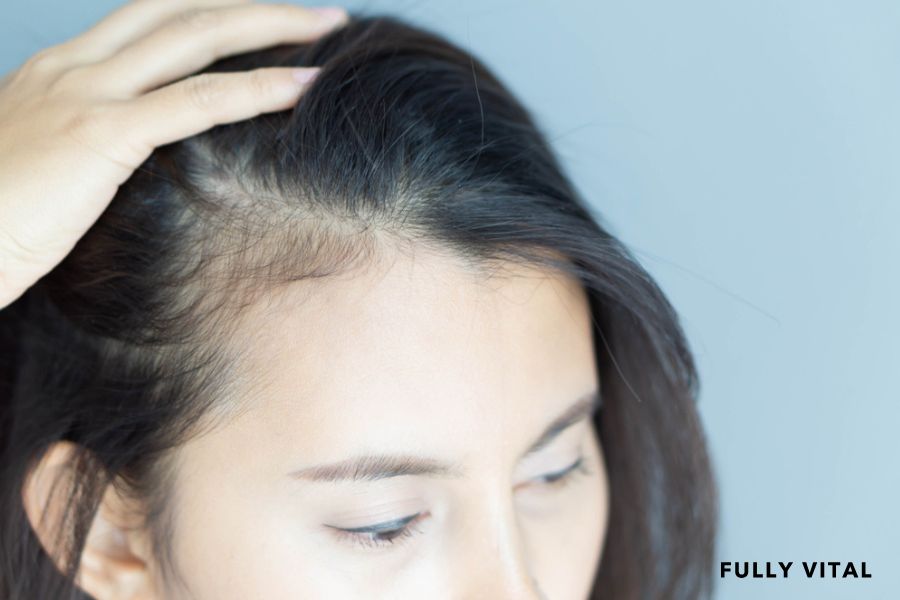
Receding Hairline: Causes, Signs and What Helps (Men and Women)
How to tell a mature hairline from a receding one, the causes in men and women, what can slow it, and when to see a doctor.
Read more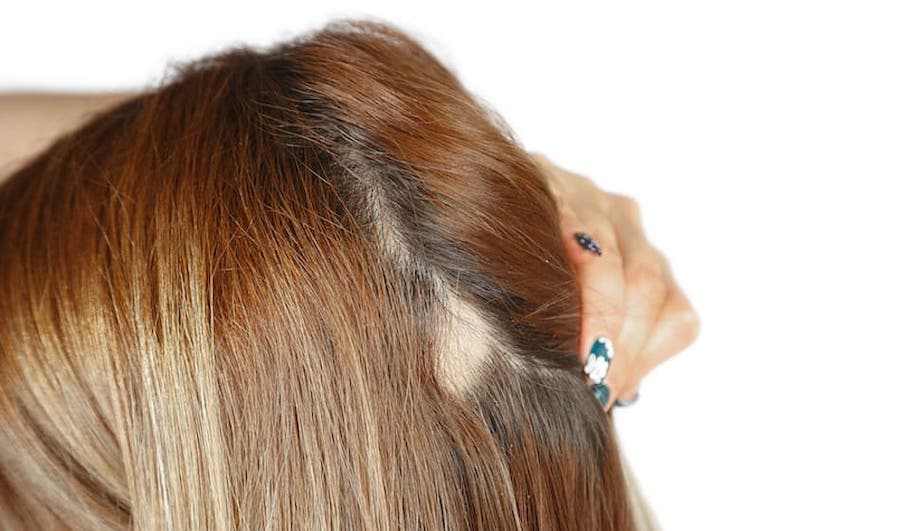
Alopecia Areata: Causes, Regrowth and Treatment
What alopecia areata is, what triggers it, whether hair grows back, and the treatments with the best evidence.
Read more
