
PABA for Hair: Gray Hair Claims & What the Research Shows
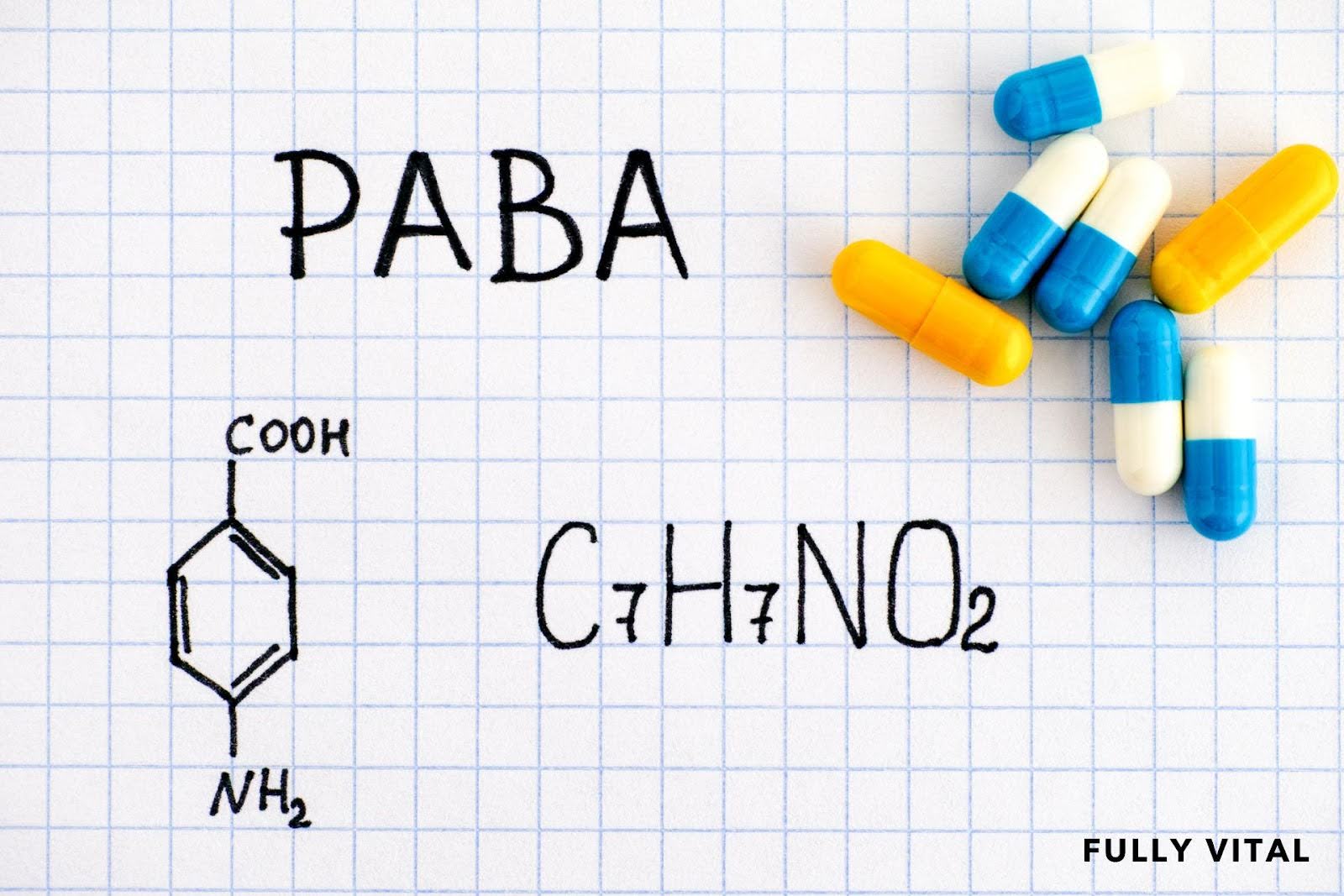
PABA (para-aminobenzoic acid) shows up in old reports about gray hair darkening, and that history is the reason it's still discussed. But the evidence is a single 1950 report and a later review that says the claim awaits confirmation. We found no modern trial.
Here's what PABA is, what that old report and the later review say, and the safety record for the oral drug form.

I LOVE MY HAIR NOW
FullyVital hair serum and hair vitamins made tremendous improvements in my hair. I truly love my hair now.
Dorit S., 
Key Takeaways
- A 1950 report was titled "Darkening of gray hair during para-amino-benzoic acid therapy". The PubMed record has no abstract, so we can't tell you its detail.
- A 1992 review of drug-induced hair color changes lists PABA among drugs whose effects await confirmatory data.
- The oral drug form, potassium para-aminobenzoate, has been linked to acute liver injury in reported cases.
- We found no modern trial of PABA for gray hair, and nothing here shows PABA can restore hair color.
What Is PABA?
PABA is para-aminobenzoic acid. In medicine it has been given as potassium para-aminobenzoate (Potaba), used for sclerotic diseases, including Peyronie's disease of the penis.

Can PABA Darken Gray Hair?
Nobody can say. The 1950 report is old, its abstract isn't available, and later reviewers treat hair-colour effects of PABA as unconfirmed. Don't take PABA hoping to change your hair color.


If You're Curious About Gray Hair
Gray hair is a topic with better evidence elsewhere. See our copper and glutathione articles for what research shows about pigment enzymes and oxidative stress in graying.


What The Research Shows
The 1950 Report
A paper by Zarafonetis was titled "Darkening of gray hair during para-amino-benzoic acid therapy" (Zarafonetis, 1950). The PubMed record has no abstract, so we only report the title.
The 1992 Review
A review found that drug-induced hair colour changes are not a common adverse effect. A wide variety of drugs have been implicated, but very few have supporting data. Chloroquine and cancer chemotherapy drugs have the best evidence. Others, including p-aminobenzoic acid, await confirmatory data (Bublin & Thompson, 1992).
Safety Of The Oral Drug Form
A report compiling cases found that oral potassium para-aminobenzoate had been linked to acute liver injury in six individuals. The patient described recovered fully 4 months after stopping the drug, and the recommended management is to stop it immediately (Roy & Carrier, 2008).
See also: Ashwagandha for Hair: What the Research Shows · Glutathione and Gray Hair: What the Science Says
Frequently Asked Questions
Does PABA darken gray hair?
A 1950 report suggested so, and a later review says the effect awaits confirmation. We found no modern trial.
Is PABA safe to take?
Oral potassium para-aminobenzoate has been linked to acute liver injury in reported cases. Don't take it without your doctor.
What is PABA?
Para-aminobenzoic acid. In medicine, potassium para-aminobenzoate has been used for sclerotic diseases, including Peyronie's disease.
References
- ZARAFONETIS CJ. Darkening of gray hair during para-amino-benzoic acid therapy. J Invest Dermatol. 1950. PubMed
- Bublin JG, Thompson DF. Drug-induced hair colour changes. J Clin Pharm Ther. 1992. PubMed
- Roy J, Carrier S. Acute hepatitis associated with treatment of Peyronie's disease with potassium para-aminobenzoate (Potaba). J Sex Med. 2008. PubMed
Explore The Benefits Of Fully Vital's Hair Growth SolutionsAt Fully Vital, we recognize the challenges and worries associated with hair aging. That's why our hair growth products are crafted to halt and reverse hair aging, offering you stronger, more vibrant hair. Key features and advantages of our offerings include:
With Fully Vital, regain control over hair aging and attain the lush, lively hair you've always wanted. Discover the strength of our hair growth solutions and reveal the full potential of your hair. |
Read more

Saw Palmetto for Hair: What the Research Shows
What systematic review, a two-year comparison with finasteride and a placebo-controlled trial found about saw palmetto for hair thinning.
Read moreSaw Palmetto for Hair: What the Research Shows
What systematic review, a two-year comparison with finasteride and a placebo-controlled trial found about saw palmetto for hair thinning.
Read more
