
Pantothenic Acid (Vitamin B5) for Hair: What the Research Shows
Pantothenic acid (vitamin B5) is essential, widely available in food, and almost never deficient. The hair evidence is early: lab work on hair follicle cells from minks, and an open-label study of a combination supplement that included pantothenic acid, which found less hair loss over 12 weeks.
Here's what those studies show, and what they can't tell you about vitamin B5 alone.

I LOVE MY HAIR NOW
FullyVital hair serum and hair vitamins made tremendous improvements in my hair. I truly love my hair now.
Dorit S., 
Key Takeaways
- Pantothenic acid is a water-soluble vitamin that is a component of coenzyme A. It is widely distributed in animal and plant foods, deficiency is rare and toxicity is negligible.
- In cultured mink hair follicles and dermal papilla cells, pantothenic acid promoted follicle growth and cell proliferation.
- In a 12-week open-label study of 112 people with light diffuse hair loss, a supplement containing millet extract, pantothenic acid, L-cystine and biotin was linked to reduced hair loss. It had no control group and many ingredients.
- We found no trial of pantothenic acid on its own for hair.
What Is Pantothenic Acid?
Pantothenic acid, also called vitamin B5, is a water-soluble vitamin. Your body uses it as a component of coenzyme A and acyl carrier protein.

Does Vitamin B5 Help Hair?
It might in the lab, but not shown in people on its own. The idea that pantothenic acid helps hair is common. The real evidence is a cell and follicle study in animals and a combination supplement study.


Getting Enough Pantothenic Acid
- Food first. It is found in both animal and plant foods, so a varied diet usually covers it.
- Don't expect hair benefits from megadoses. There's no such evidence.
- Ask your doctor about supplements if you're pregnant, breastfeeding, have a condition or take medication.


What The Research Shows
Intake, Deficiency And Safety
A scoping review for the Nordic Nutrition Recommendations describes pantothenic acid as an essential component of coenzyme A and acyl carrier protein, widely distributed in animal- and plant-source foods. Deficiency is rare and toxicity negligible, and no health concerns related to pantothenic acid were identified (Freese et al., 2023).
Hair Follicle Cells In The Lab
In cultured mink hair follicles and dermal papilla cells, pantothenic acid at 20 and 40 μg/ml promoted hair follicle growth and the expression of IGF-1 and VEGF in dermal papilla cells. The effect was mediated through the ID3/Notch signalling pathway (Wang et al., 2020). This was an animal cell study.
A Combination Supplement
In an exploratory open-label study of 112 mostly female adults with light diffuse hair loss, a supplement containing millet extract, pantothenic acid, L-cystine and biotin was taken for 12 weeks. Hair density and the proportion of anagen hairs increased, and hair loss declined by 59%. It was well tolerated. With no control group and four active ingredients, it can't show what pantothenic acid did (Proksch & Bartylla, 2026).
See also: Green Tea (EGCG) for Hair: What the Research Shows · Vitamin B6 for Hair: What the Research Shows
To see how this fits with the other nutrients hair needs, read our guide to the best vitamins for hair growth.
Panthenol, the provitamin form of vitamin B5, is one of the ingredients in FullyVital's Hair Revival Serum. For how the evidence for each ingredient in the line stacks up, see our evidence-tier breakdown.
Frequently Asked Questions
Does pantothenic acid help hair growth?
In mink follicle cells in the lab it promoted growth. In people, a combination supplement with it was linked to less hair loss in an uncontrolled study, but pantothenic acid alone hasn't been tested.
Is vitamin B5 deficiency common?
No. Deficiency is rare.
Is vitamin B5 safe?
Toxicity is negligible according to a Nordic nutrition review. Talk to your doctor before taking supplements.
References
- Freese R, Aarsland TE, Bjørkevoll M. Pantothenic acid - a scoping review for Nordic Nutrition Recommendations 2023. Food Nutr Res. 2023. PubMed
- Wang Z, Nan W, Si H, et al. Pantothenic acid promotes dermal papilla cell proliferation in hair follicles of American minks via inhibitor of DNA Binding 3/Notch signaling pathway. Life Sci. 2020. PubMed
- Proksch E, Bartylla S. Effectiveness, Tolerability, and Acceptance of a Food Supplement in the Management of Non-Illness-Related Hair Loss and Thinning. J Cosmet Dermatol. 2026. PubMed
Experience the Potent Impact of Our Fully Vital Hair Growth Products Today!Embark on a transformative journey to revive your hair's vitality with Fully Vital's exceptional hair growth solutions. Bid farewell to the distress of hair loss and uneven hairlines; we're here to turn your youthful hair aspirations into reality. Combat the Effects of Aging: Say goodbye to thin and lackluster hair as we guide you in slowing down and reversing the aging impact on your hair. Rejuvenate Your Hair's Vitality: Reclaim the confidence that comes with having thick, abundant hair. Embrace the Beauty of Healthy Locks: Cultivate a more dynamic and wholesome connection with your cherished tresses. Opt for more than generic products – choose Fully Vital's science-backed approach to hair care. Embrace a future with fuller, healthier, and more vibrant locks. Join us today because you deserve the best! |
Read more
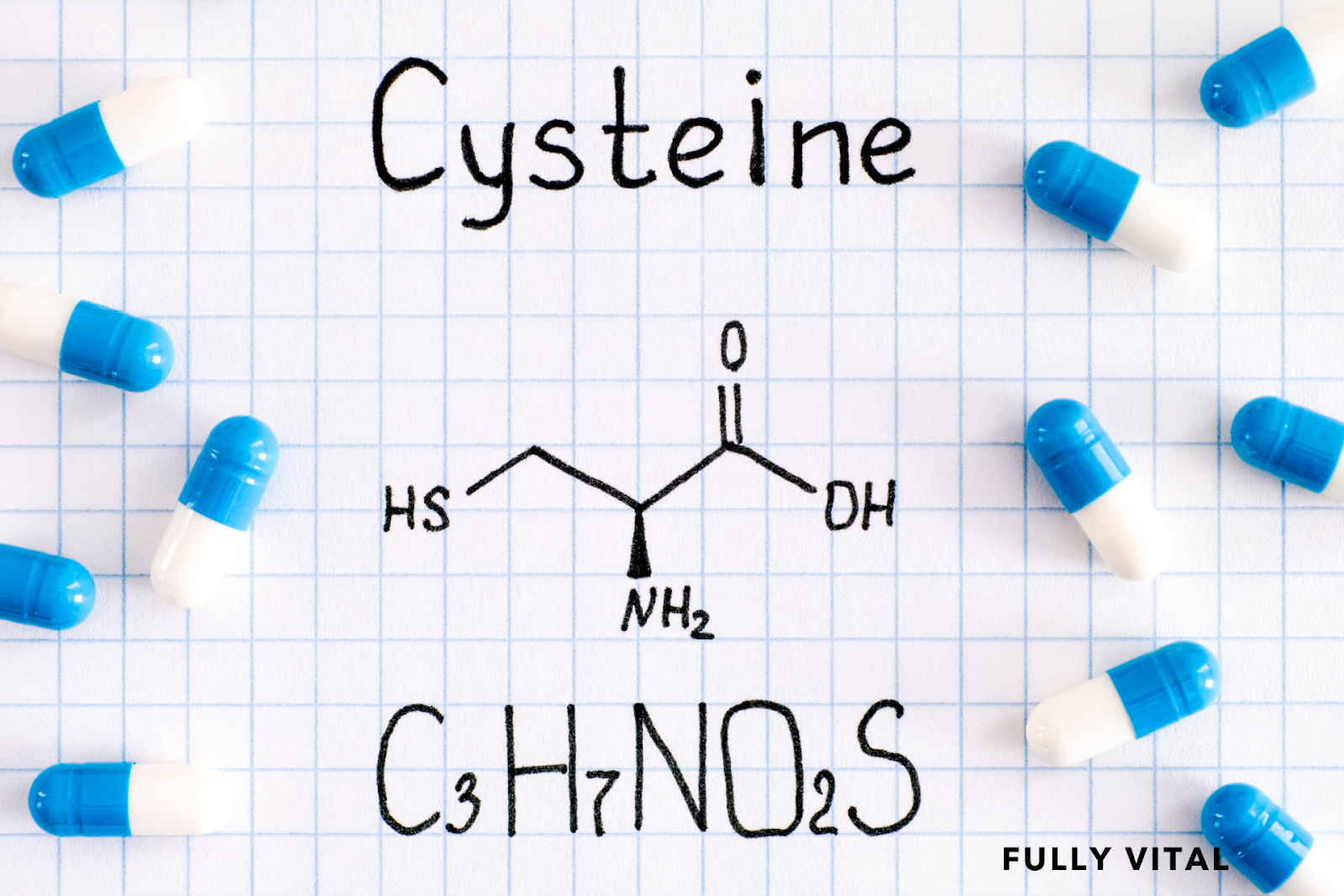
Cysteine Complexes: Revolutionizing Hair Resilience
Discover the science of hair resilience with 'Cysteine Complexes: Revolutionizing Hair Resilience,' an in-depth look at how cysteine strengthens and…
Read moreCysteine Complexes: Revolutionizing Hair Resilience
Discover the science of hair resilience with 'Cysteine Complexes: Revolutionizing Hair Resilience,' an in-depth look at how cysteine strengthens and…
Read more
