
Soy Isoflavones for Hair: What the Research Shows
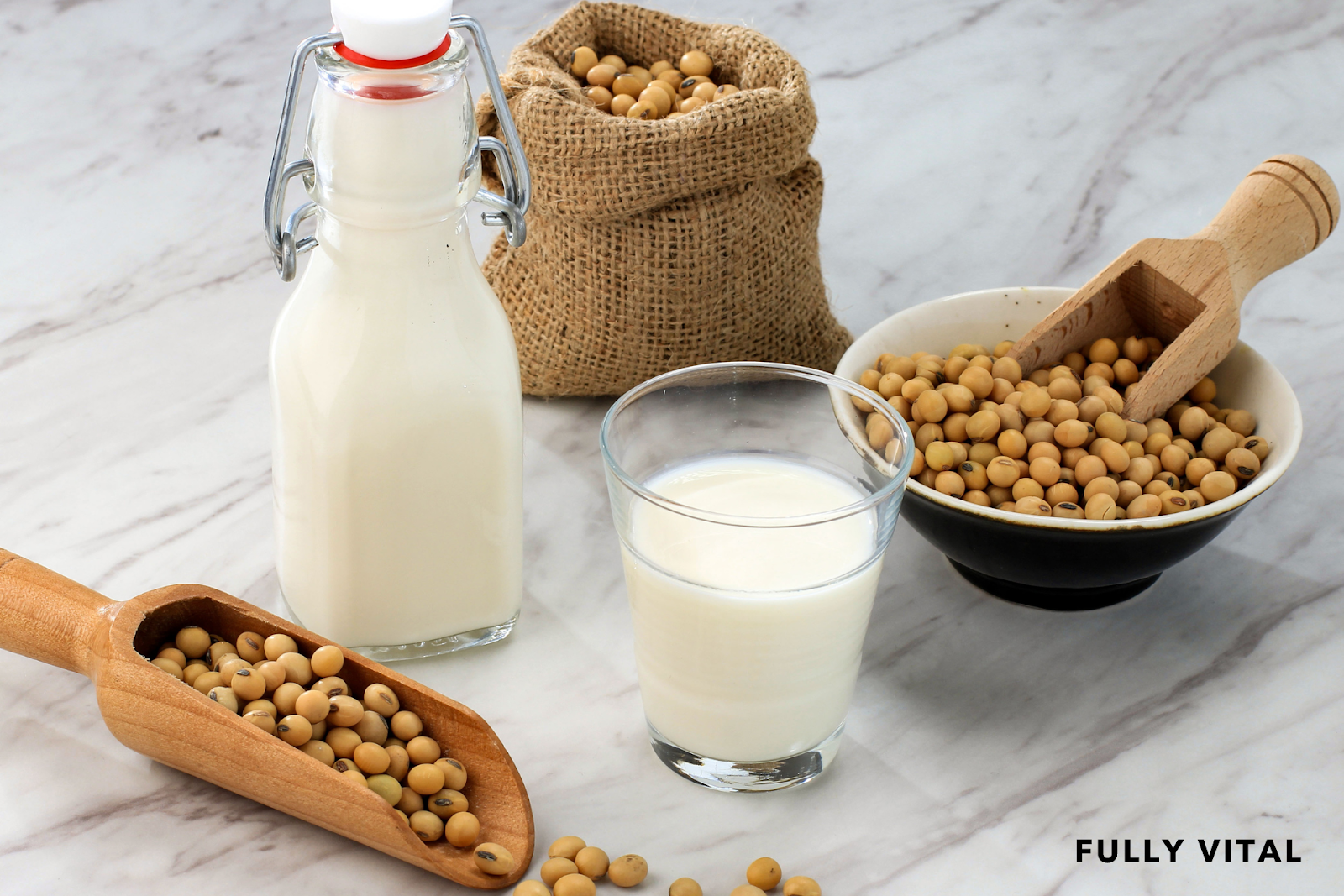
Soy isoflavones are plant compounds called phytoestrogens, and they turn up in hair supplements. The honest hair evidence is thin: a systematic review of soy in dermatology lists hair parameters among many outcomes, a small pilot trial used a multi-ingredient supplement that included isoflavones, and an animal study found no clear effect on hair loss.
Here's what each source says and what doesn't follow from it.

I LOVE MY HAIR NOW
FullyVital hair serum and hair vitamins made tremendous improvements in my hair. I truly love my hair now.
Dorit S., 
Key Takeaways
- A 2023 systematic review of 30 studies of soy supplements and soy skin products reported benefits across skin parameters, including hair and nail parameters.
- In a 24-week pilot of 10 people with androgenetic alopecia, a multi-ingredient supplement containing soy isoflavones increased terminal hair count and hair mass index. It can't show what isoflavones did alone.
- In mice, diets higher in soy oil lowered the rate of alopecia areata onset, but the genistein injection test didn't show a significant link to hair loss extent.
- We found no trial of soy isoflavones alone for hair in people.
What Are Soy Isoflavones?
Isoflavones are phytoestrogens in soybeans, including genistein. They are used in foods and supplements, including some for hair.
Do Soy Isoflavones Help Hair?
It's not established. The three sources below each say something different, and none isolates isoflavones in a hair trial.


Using Soy Carefully
- Treat soy supplements as unproven for hair.
- Ask your doctor about soy isoflavones if you are pregnant, breastfeeding, or have a hormone-sensitive condition.
- See a dermatologist to find the cause of hair loss.


What The Research Shows
A Systematic Review Of Soy In Dermatology
A review of 30 studies (13 oral, 17 topical) found soy supplementation or application showed efficacy for many dermatologic parameters, including hair and nail parameters, skin barrier, hydration and photoaging. Wrinkle and aging parameters were the most frequently assessed outcomes, and the abstract gives no detail on hair (Natarelli et al., 2023).
A Multi-Ingredient Pilot
Ten adults with androgenetic alopecia took a supplement (Forti5) containing green tea extract, omega-3 and omega-6 fatty acids, vitamin D3, melatonin, beta-sitosterol and soy isoflavones for 24 weeks. Eight of ten were rated improved, with terminal hair count up 5.9% and hair mass index up 9.5%. It was open-label with no control group (Nichols et al., 2017).
A Mouse Study
In mice grafted with alopecia areata skin, 86%, 39% and 18% developed alopecia areata on 1%, 5% and 20% soy oil diets. Mice injected with genistein had fewer cases (4 of 10 vs 9 of 10), but there was no significant association between the extent of hair loss and diet or genistein (McElwee et al., 2003).
Phytosterols are another plant compound people compare; see phytosterols and hair.
See also: Red Clover Extract for Hair: What the Research Shows · Melatonin for Hair Growth: What the Research Shows
Frequently Asked Questions
Do soy isoflavones help hair growth?
We found no study of isoflavones alone for hair in people. A pilot of a multi-ingredient supplement that included them showed improvement, with no control group.
Do soy isoflavones cause hair loss?
We found no study showing that they do.
Are soy isoflavones safe?
Talk to your doctor before taking them, especially if you are pregnant, breastfeeding or have a hormone-sensitive condition.
References
- Natarelli N, Gahoonia N, Maloh J, et al. Clinical Efficacy of Topical or Oral Soy Supplementation in Dermatology: A Systematic Review. J Clin Med. 2023. PubMed
- Nichols AJ, Hughes OB, Canazza A, et al. An Open-Label Evaluator Blinded Study of the Efficacy and Safety of a New Nutritional Supplement in Androgenetic Alopecia: A Pilot Study. J Clin Aesthet Dermatol. 2017. PubMed
- McElwee KJ, Niiyama S, Freyschmidt-Paul P, et al. Dietary soy oil content and soy-derived phytoestrogen genistein increase resistance to alopecia areata onset in C3H/HeJ mice. Exp Dermatol. 2003. PubMed
Unlock The Power Of Nature With Fully VitalUnveil the ancient secret to shiny, robust hair with the hidden gems of the Mediterranean. Fully Vital encourages you to weave the nourishing power of olive oil into your daily hair care routine. Witness the transformation of your hair and revel in nature’s most pristine offerings.
Start Your Journey to Peak Hair Health with Fully Vital Now! |
Read more
Pea Protein for Hair: What the Research Shows
No study tests pea protein on hair growth. See what research says about protein, shedding and digestibility, and a pilot of pea sprout extract.
Read more
Hesperidin for Hair: What the Research Shows
What a lab study shows about hesperidin and the blood vessel cells around hair follicles, how well hesperidin is absorbed, and what hasn't been tested.
Read more
