
L-Glutamine for Hair: What the Research Shows
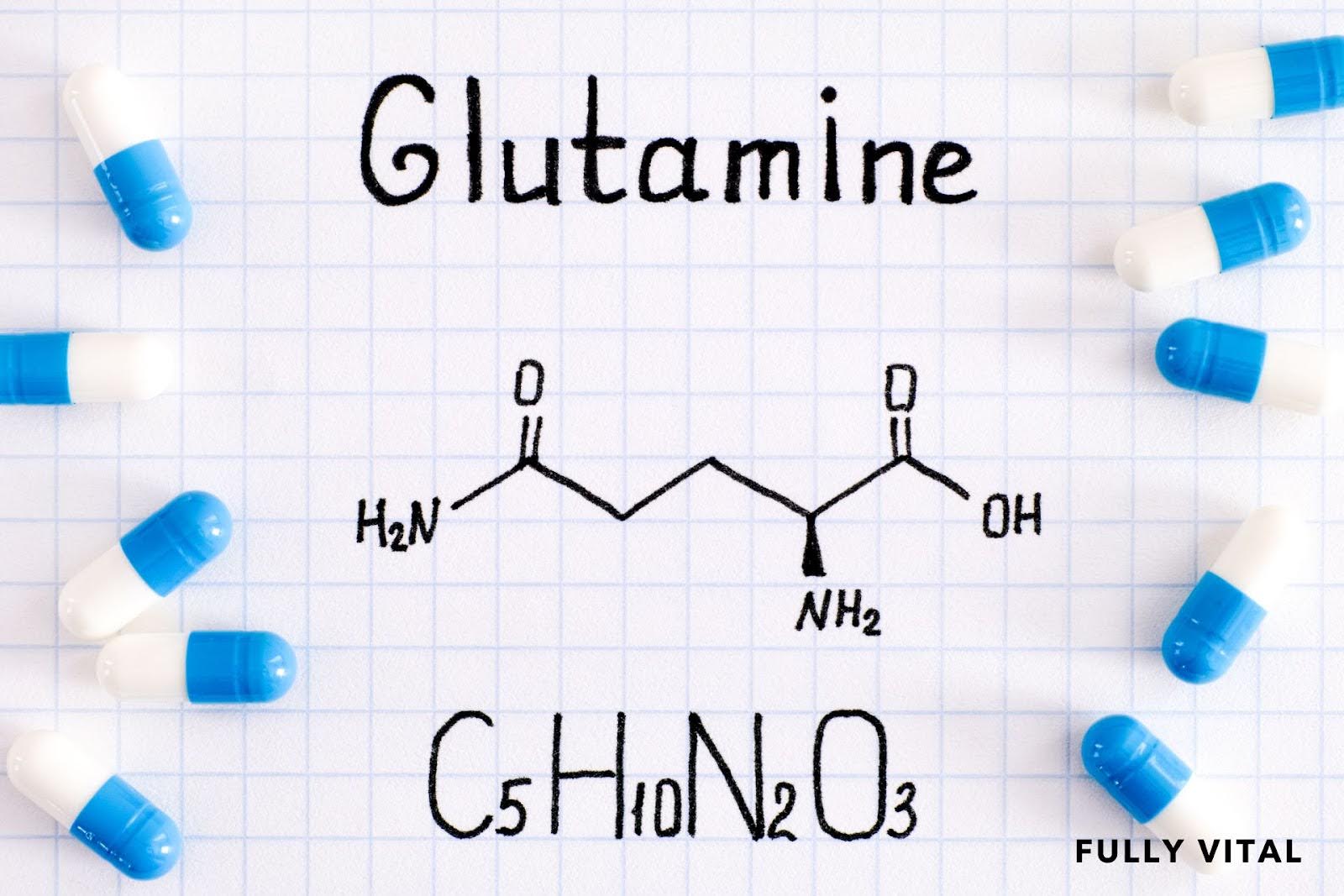
L-glutamine is an amino acid that hair follicle cells burn for energy. In laboratory work, glutamine was one of the main fuels in living human hair follicles, and other studies tie glutamine metabolism to how follicle stem cells renew and regenerate.
Here's what that research shows and what it doesn't.

I LOVE MY HAIR NOW
FullyVital hair serum and hair vitamins made tremendous improvements in my hair. I truly love my hair now.
Dorit S., 
Key Takeaways
- In human hair follicles kept alive in the lab, glucose was the main fuel and glutamine was next, ahead of the lipid fuels tested.
- In lab research, glutamine metabolism helped control whether hair follicle stem cells could return to their stem state.
- In a mouse wound-healing model, higher glutamine metabolism in skin cells went along with better hair follicle regeneration.
- We found no trial that has tested glutamine supplements for hair growth.
What Is L-Glutamine?
Glutamine is an amino acid you get from the protein in your diet. Cells use it as a fuel, and it's widely studied in cell metabolism.

Why Glutamine Is Of Interest For Hair
Hair follicles are among the body's fast-growing tissues, so the fuel they run on is a fair question for researchers. The studies below look at that question in the lab, not in people taking supplements.


How Might Glutamine Support Hair?
Fuel For The Hair Follicle
Researchers kept human hair follicles alive for up to 10 days and measured what they burned for energy. Glucose was the main fuel. Glutamine was also important, generating about 2.2 nmol of ATP per follicle per hour, compared with about 0.7 for the lipid fuels tested, palmitate and beta-hydroxybutyrate (Kealey et al., 1994).
Stem Cells And Regeneration
In a laboratory study, hair follicle stem cells shifted their metabolism as they developed, including toward glutamine metabolism. Controlling that shift determined whether cells could return to the stem cell niche and whether hair follicles regenerated well (Kim et al., 2020). In a mouse model of wound-induced hair follicle regrowth, higher glutamine metabolism in skin cells went along with better regeneration (Wang et al., 2023).
These are laboratory and animal results. Clinical trials of glutamine supplements for hair in people are still needed.


Getting And Taking Glutamine
Eating enough protein is the simplest step. There's no hair-specific supplement dose, because glutamine hasn't been tested for hair in people. If you're pregnant, breastfeeding, have a condition or take medication, check with your doctor before taking glutamine.
See also: Copper for Hair: Gray Hair, Hair Growth & Copper Peptides · L-Arginine for Hair: What the Research Shows
Frequently Asked Questions
Does glutamine help hair growth?
Glutamine is an important fuel for human hair follicles in the lab, and its metabolism is part of how follicle stem cells work. Whether glutamine supplements change hair growth in people hasn't been tested.
Has glutamine been studied for hair loss?
Not in trials. If you're losing hair, see a dermatologist to find the cause.
How much glutamine should I take?
There isn't a hair-specific dose. Talk to your doctor before starting.
References
- Kealey T, Williams R, Philpott MP. The human hair follicle engages in glutaminolysis and aerobic glycolysis: implications for skin, splanchnic and neoplastic metabolism. Skin Pharmacol. 1994. PubMed
- Kim CS, Ding X, Allmeroth K, et al. Glutamine Metabolism Controls Stem Cell Fate Reversibility and Long-Term Maintenance in the Hair Follicle. Cell Metab. 2020. PubMed
- Wang G, Sweren E, Andrews W, et al. Commensal microbiome promotes hair follicle regeneration by inducing keratinocyte HIF-1α signaling and glutamine metabolism. Sci Adv. 2023. PubMed
Explore The Advantages Of Fully Vital Hair Growth SolutionsSeize the chance to unlock the extensive advantages of Fully Vital's hair growth solutions.
Embark on your journey to more robust, healthier, and younger-looking hair today! |
Read more
Manganese for Hair: Benefits, Food Sources & How Much You Need
How manganese supports the antioxidant and energy enzymes your hair follicles rely on, the best food sources, how much you need and when more is too much.
Read more
L-Arginine for Hair: What the Research Shows
What a 2025 study found about arginine and pattern hair loss, what nitric oxide does in the hair follicle, and how much arginine has been tested for safety.
Read more
