
Manganese for Hair: Benefits, Food Sources & How Much You Need
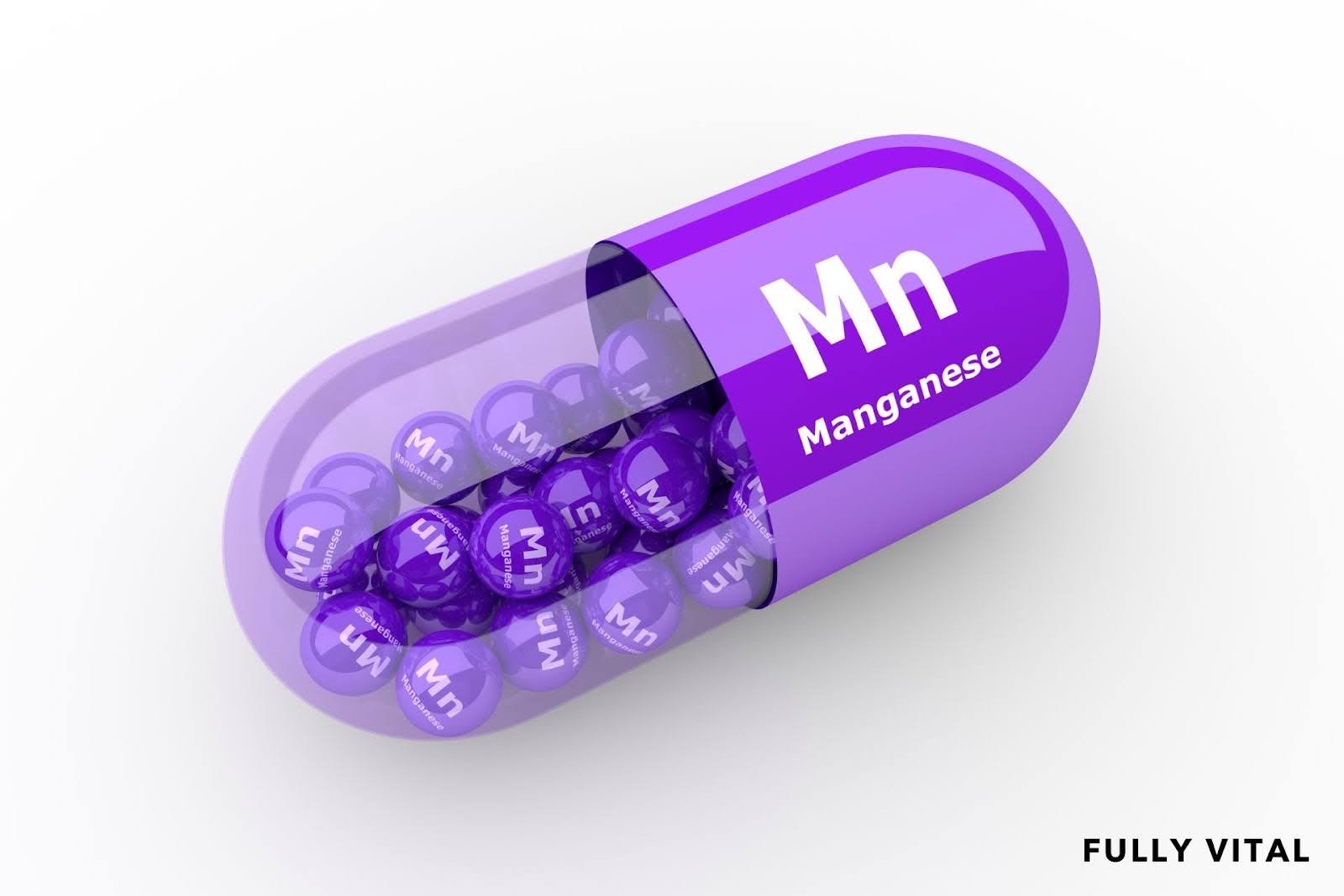
Manganese doesn't get the attention that zinc or iron do, but it's one of the trace minerals your body relies on every day. It helps power some of your most important antioxidant and energy-producing enzymes, the same kind of cellular work that busy, fast-growing hair follicles depend on.
Here's what manganese does, how it fits into a hair-healthy diet, where to get it, and why more isn't always better.

I LOVE MY HAIR NOW
FullyVital hair serum and hair vitamins made tremendous improvements in my hair. I truly love my hair now.
Dorit S., 
Key Takeaways
- Manganese is an essential trace mineral and a building block of enzymes involved in antioxidant defense and energy production, including manganese superoxide dismutase (MnSOD).
- No study has tested manganese supplements on hair growth directly. A 2024 review put manganese among many micronutrients that may matter, with the strongest links to hair loss for B vitamins, vitamin D, iron, selenium and zinc.
- Adequate intake is about 1.8 to 2.3 mg a day, mostly from whole grains, fruits and vegetables, legumes, nuts and tea.
- Deficiency is rare, and too much manganese can be harmful, so a balanced multinutrient approach makes more sense than high-dose manganese on its own.
What Is Manganese?
Manganese is an essential nutrient. It works as a cofactor, a helper molecule, for a range of enzymes, including arginase, glutamine synthetase, pyruvate carboxylase and manganese superoxide dismutase (MnSOD). Through these enzymes it supports development, digestion, antioxidant defense, energy production and immune function.

Why Is Manganese Important For Hair?
MnSOD is the main antioxidant enzyme inside mitochondria, where cells make their energy. Growing hair follicles divide quickly and use a lot of energy, so the antioxidant and energy enzymes manganese supports are relevant to them. No one has tested whether adding manganese changes hair.
In practice, manganese works best as part of a well-rounded nutrient intake rather than as a stand-alone hair fix.


Can You Get Too Much Manganese?
Yes. Overexposure, for example from air pollution, workplace exposure or naturally high levels in drinking water, can make manganese build up in the liver and brain and cause neurological problems. That's why manganese is best kept to the modest amounts found in food and well-formulated multinutrient supplements. Talk to your doctor before taking extra manganese if you have liver disease.

The Best Food Sources Of Manganese
Whole grains and cereals, fruits, vegetables, legumes and nuts are the main sources, and processed foods contain very little. Swapping refined grains for whole ones is one of the simplest ways to raise your intake.


What The Research Shows
Manganese And Antioxidant Enzymes
Manganese is a cofactor for MnSOD and several other enzymes, and true manganese deficiency is rare. Overexposure can cause neurological problems (Chen et al., 2018).
Part Of The Wider Micronutrient Picture
A 2024 systematic review of micronutrients and pattern hair loss looked at manganese alongside B vitamins, vitamin D, iron, zinc, selenium and copper. The strongest links were with B vitamins, vitamin D, iron, selenium and zinc. The authors concluded that deficiencies or imbalances in specific vitamins and minerals may be modifiable risk factors for hair loss (Wang et al., 2024). If you're noticing thinning or shedding, it's worth asking your doctor about a blood test.
How Much You Need
The adequate intake for adults is about 1.8 to 2.3 mg a day. In one UK study, regular tea drinkers got about 5.5 mg a day compared with 3.2 mg for non-tea drinkers (Hope et al., 2006).
See also: Vitamin A and Hair: Too Little, Too Much & What the Research Shows · Coenzyme Q10 (CoQ10) for Hair: What the Research Shows
Frequently Asked Questions
What are the benefits of manganese for hair?
Manganese helps your body make MnSOD, a key antioxidant enzyme, and supports normal energy production in cells. Direct studies on manganese and hair growth haven't been done yet.
Does manganese deficiency cause hair loss?
Manganese deficiency is rare, so it's an unlikely cause of hair loss for most people. Iron, zinc, vitamin D and B vitamins are more commonly linked to hair problems.
Should I take a manganese supplement for my hair?
Most people get enough from food. If you take a supplement, choose a balanced formula with modest amounts rather than high-dose manganese on its own.
References
- Chen P, Bornhorst J, Aschner M. Manganese metabolism in humans. Front Biosci (Landmark Ed). 2018. PubMed
- Wang R, Lin J, Liu Q, et al. Micronutrients and Androgenetic Alopecia: A Systematic Review. Mol Nutr Food Res. 2024. PubMed
- Hope S, Daniel K, Gleason KL, et al. Influence of tea drinking on manganese intake, manganese status and leucocyte expression of MnSOD and cytosolic aminopeptidase P. Eur J Clin Nutr. 2006. PubMed
Discover The Revolution In Hair Growth With Fully VitalFully Vital is at the forefront of innovative solutions for hair growth, offering products that tackle the signs of hair aging head-on, leaving you with the lush, vibrant hair you've been seeking. What sets Fully Vital apart:
Step into a new era of hair rejuvenation with Fully Vital's hair growth solutions and rediscover your hair's natural, youthful vigor. Opt for Fully Vital and invest in the future of your hair's health and resilience. |
Read more
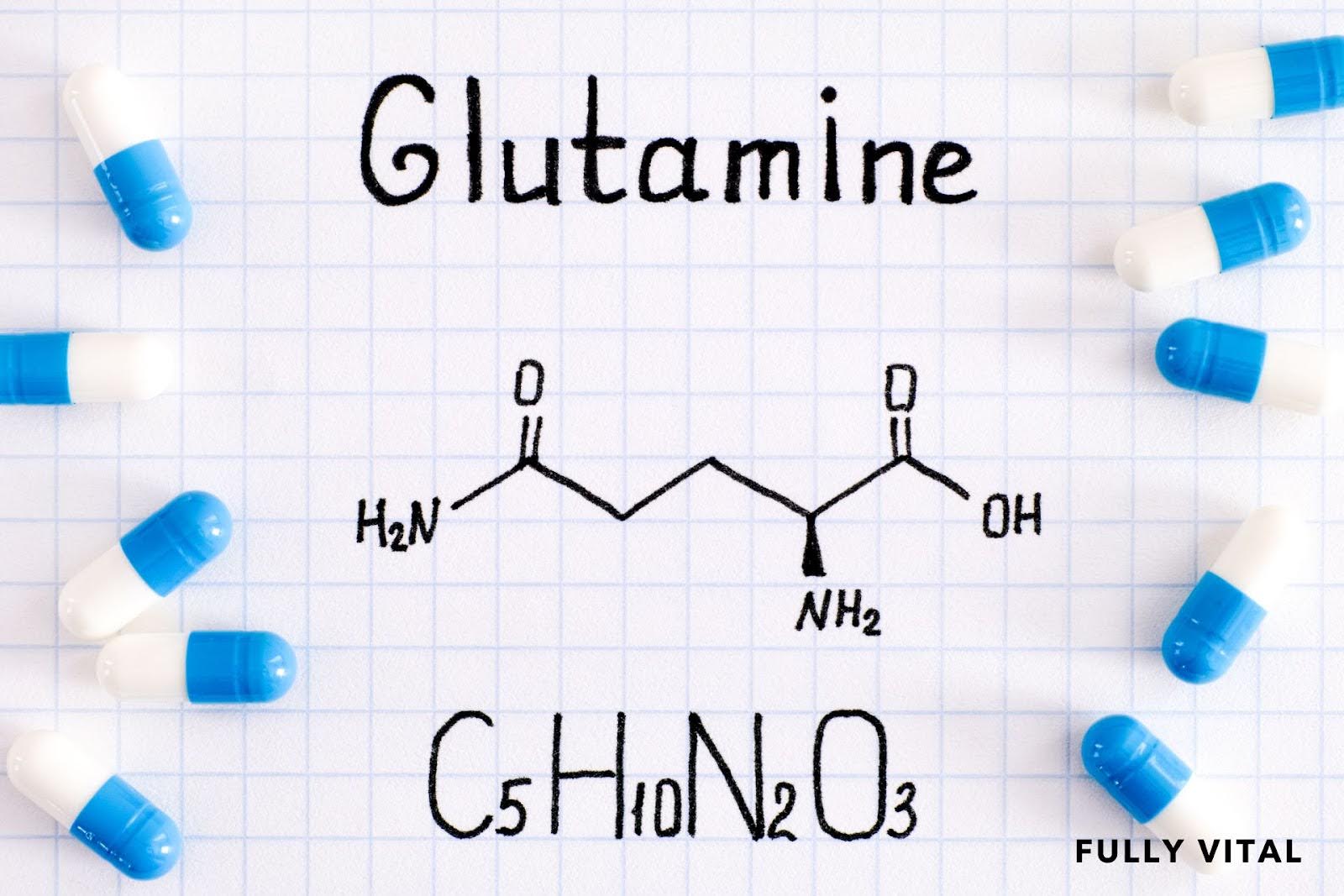
L-Glutamine for Hair: What the Research Shows
How hair follicles use glutamine for energy, what lab and mouse studies suggest, and what hasn't been tested.
Read more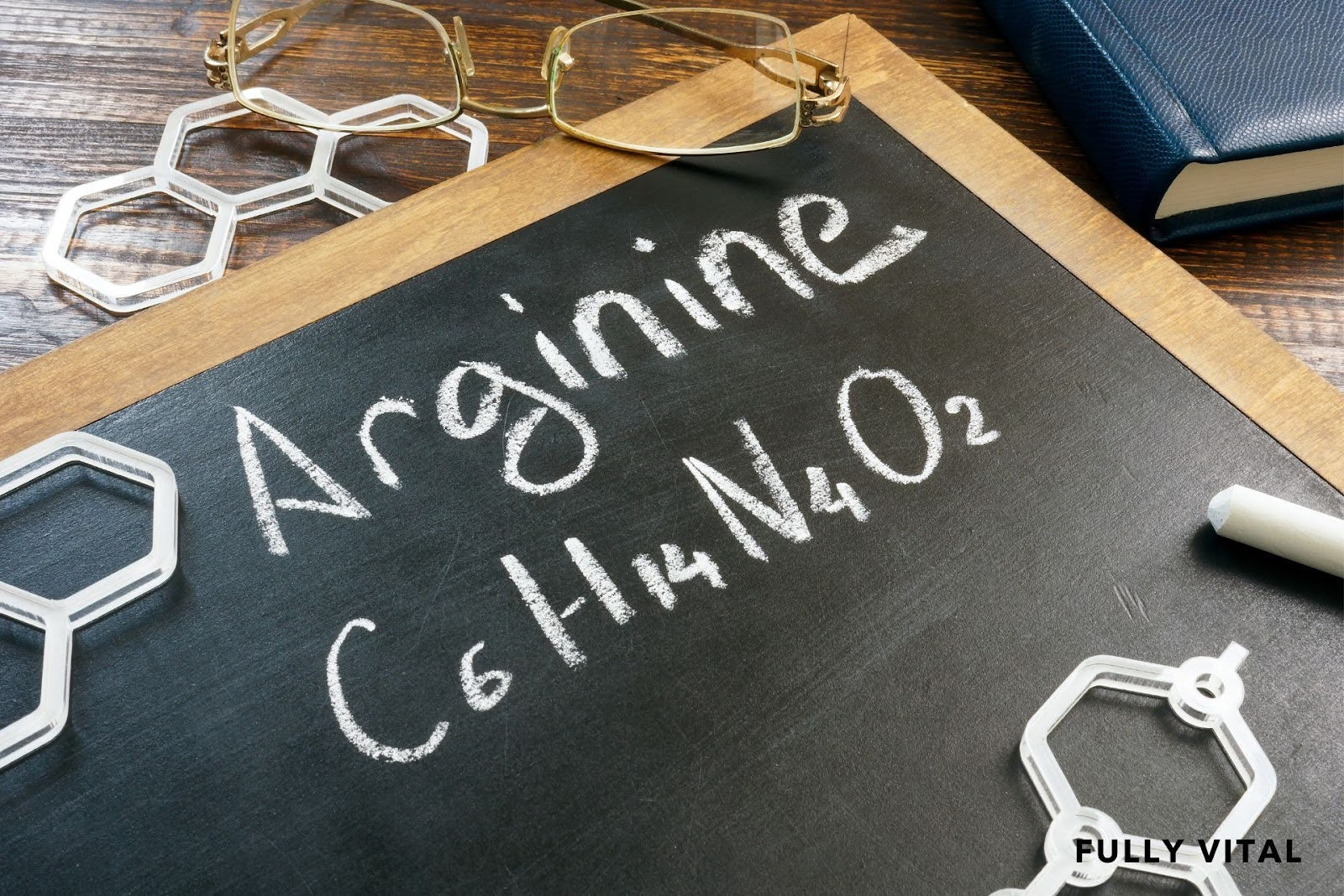
L-Arginine for Hair: What the Research Shows
What a 2025 study found about arginine and pattern hair loss, what nitric oxide does in the hair follicle, and how much arginine has been tested for safety.
Read more
